Hawaii's Go-To: Reef Safe Sunscreen
Basking in the sun, sea, and sand is what Hawaii vacations are all about. However, the harsh truth is that traditional sunscreens contribute to the destruction of Hawaii's coral reefs. Coral reefs, known as the "rainforests of the sea," are vital to Hawaii's ecosystem and economy. This has led to the push for reef-safe sunscreen in Hawaii, with the state even banning sunscreens containing oxybenzone and octinoxate in 2021.
But what makes a sunscreen 'reef-safe'? And how can you, as a responsible vacationer, make sure you're doing your part to protect Hawaii's coral reefs? Let's delve into the world of reef-safe sunscreen in Hawaii, exploring the science behind the ban, the ingredients to watch out for, and the best reef-safe sunscreen options available.
The Science Behind the Ban
Coral reefs, which support over 25% of all marine life, are sensitive to certain chemicals found in traditional sunscreens. Oxybenzone and octinoxate, two common UV filters, have been found to cause coral bleaching and damage the DNA of corals, leading to widespread coral death. These chemicals, along with other pollutants, cite Hawaiian reefs as among the most threatened in the world.


You might think that a small amount of sunscreen wouldn't do much harm. But consider this: as much as 14,000 tons of sunscreen are believed to be released into coral reef areas each year. Multiply that by the millions of snorkelers and swimmers visiting Hawaii each year, and it becomes clear why Hawaii has taken such a bold stance on protecting its reefs.
What to Avoid: Offending Ingredients
Now that you understand the science behind the ban, it's essential to know which ingredients to avoid when choosing a sunscreen for your Hawaii adventures. The Hawaii State Legislature has clearly outlined these in their Bill 2239, which includes:


- Oxybenzone, found in over 3,500 sunscreen products worldwide.
- Octinoxate, another common UV filter found in thousands of sunscreen products.
- Octocrylene, a slightly newer UV filter that is still suspected to be harmful to corals.
Unfortunately, many popular sunscreen brands contain one or more of these harmful ingredients. However, there are plenty of reef-safe alternatives to choose from.
Reef-Safe Alternatives
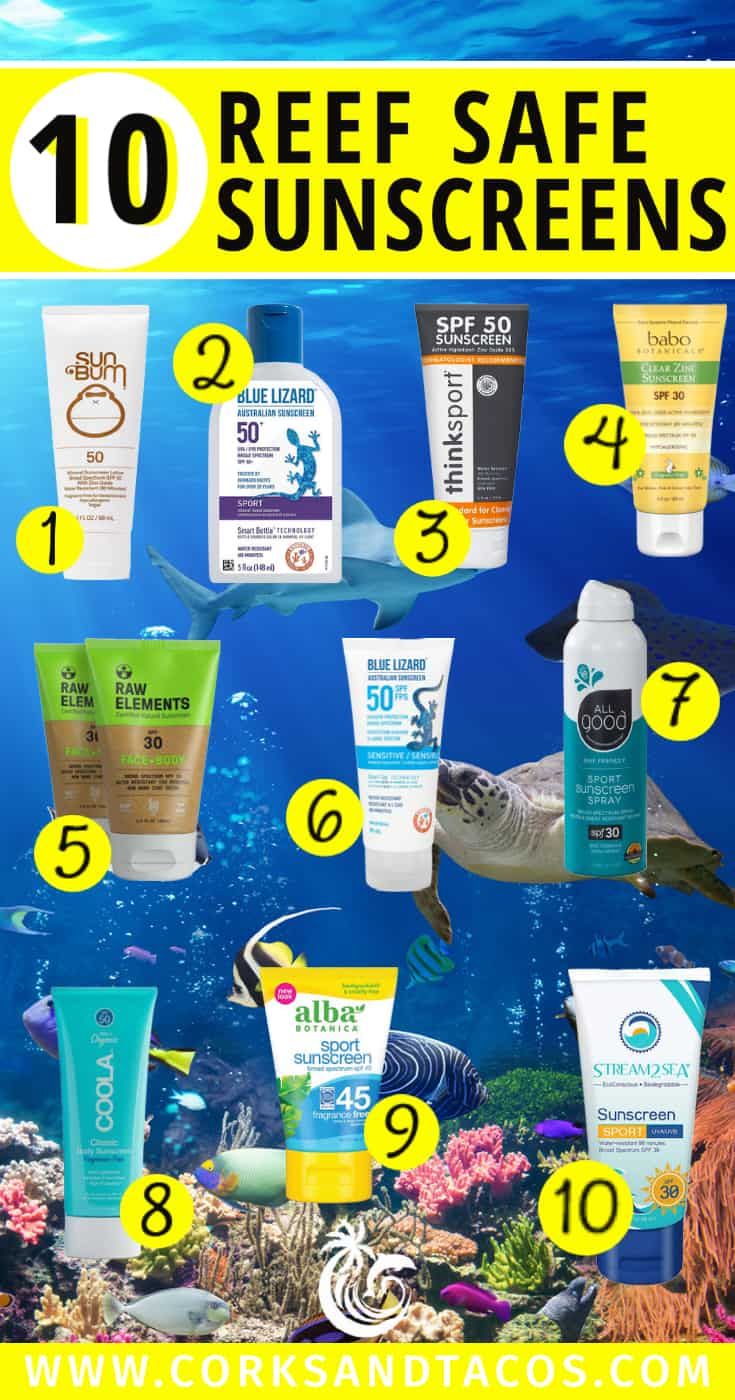
Choose sunscreens that rely on physical (or mineral) UV filters, such as zinc oxide and titanium dioxide. These work by physically reflecting and scattering UV rays, rather than absorbing them and potentially causing harm to marine life. Here are some popular reef-safe sunscreen options for Hawaii:
- Kokua Sun Care Hawaiian Natural Zinc - This zinc oxide-based sunscreen is made in Hawaii and provides broad-spectrum UV-A and UV-B protection.
- Thinksport SPF 50+ Sunscreen - This award-winning sunscreen is free of common chemical blockers and offers high-quality broad-spectrum protection.
- Badger Zinc Oxide Sunscreen - A certified organic and non-GMO sunscreen that's perfect for sensitive skin.
Remember to choose a sunscreen with an SPF of at least 30, and reapply regularly, especially after swimming or sweating.



Other Ways to Protect Hawaii's Reefs
Switching to reef-safe sunscreen is an excellent start, but there's more you can do to protect Hawaii's coral reefs. Consider the following:
Choose reef-safe snorkeling and diving practices: Avoid touching or standing on corals, and never attempt to catch or harass marine life.
Follow Leave No Trace principles: Pack out all trash, minimize your impact, and respect local wildlife and vegetation.


Support conservation efforts: Contribute to organizations dedicated to preserving and restoring Hawaii's coral reefs, such as The Nature Conservancy, the Hawaii Institute of Marine Biology, and the Hawaii-based Ocean Conservancy.
By being mindful of your sunscreen choices and adopting responsible reef behaviors, you can help protect Hawaii's coral reefs for generations to come. So, go ahead and soak up the sun, but do it the reef-safe way!
Related Articles
Hawaiian Tropic Reef Safe: Is Your Sunscreen Harming Coral?
Diving into the crystalline waters of Hawaii, one can't help but marvel at the vibrant reefs teeming with marine life. But as a responsible ocean enthusiast...

What Does Reef Safe Sunscreen Mean?
Diving in the crystalline waters of the ocean, one glance at the vibrant reefs below sparks a sense of wonder. But these delicate ecosystems are under threat...

Hawaii's Indigenous Fruits: A Tropical Treasure
The lush, tropical landscapes of Hawaii are home to a delightful array of native fruits, many of which are unique to the islands and have fascinating...

Modern Luxe: Hawaii's Contemporary Gems
Experience the epitome of refinement and grandeur in paradise as you delve into the world of Modern Luxury Hawaii. The Aloha State's breathtaking landscapes...

Hawaii's Top Furniture Stores: Find Your Perfect Home Pieces
Welcome to the vibrant world of Hawaiian furniture, where tropical influences meet timeless craftsmanship to create pieces that are as unique as the Aloha...

Is Octinoxate Reef Safe?
Are you concerned about the impact of your sunblock on the environment and specifically, coral reefs? This brings us to a pressing question: is Octinoxate, a...