Is Octinoxate Reef Safe?
Are you concerned about the impact of your sunblock on the environment and specifically, coral reefs? This brings us to a pressing question: is Octinoxate, a common ingredient in sunscreen, reef-safe?
Understanding the threat to coral reefs starts with understanding their fragility. Coral reefs, which cover only 0.1% of the ocean floor, support 25% of all known marine species. They are incredibly sensitive to even small changes in their environment, making them highly susceptible to pollutants, including those in sunscreens.
What is Octinoxate?
Octinoxate, also known as Octyl Methoxycinnamate, is a chemical compound used as a UV-B absorbing agent in sunscreen. It is one of the most common active ingredients in broad-spectrum sunscreens worldwide.


While Octinoxate offers excellent protection against ultraviolet B (UV-B) rays, its presence in sunscreen has raised serious concerns about its potential harm to marine ecosystems.
Octinoxate in the Ocean
When we swim or surf in sunscreen, Octinoxate and other chemical agents can rinse off and accumulate in the sea. A study in the journal Archives of Environmental Contamination and Toxicology found that locations popular with tourists in Hawaii, such as Waikiki and Hanauma Bay, had high levels of Octinoxate.


Once in the ocean, Octinoxate poses a threat to coral reefs. It can disrupt the coral's defense mechanisms, making them more susceptible to bleaching and disease. Additionally, it can affect the coral's ability to reproduce.
Is Octinoxate a Primary Cause of Coral Bleaching?
A 2015 study by the University of Tel Aviv led to headlines suggesting that Octinoxate and other chemicals in sunscreen were the primary cause of coral bleaching. However, a 2016 review by the International Coral Reef Initiative stated that while these chemicals can exacerbate bleaching under certain conditions, they are not the primary cause.
The primary cause of coral bleaching remains elevated sea temperatures due to climate change. However, Octinoxate and other chemical sunscreens can act as a additional stressor that tips the balance towards bleaching, especially in stressed or degraded reef systems.


What Can Be Done?
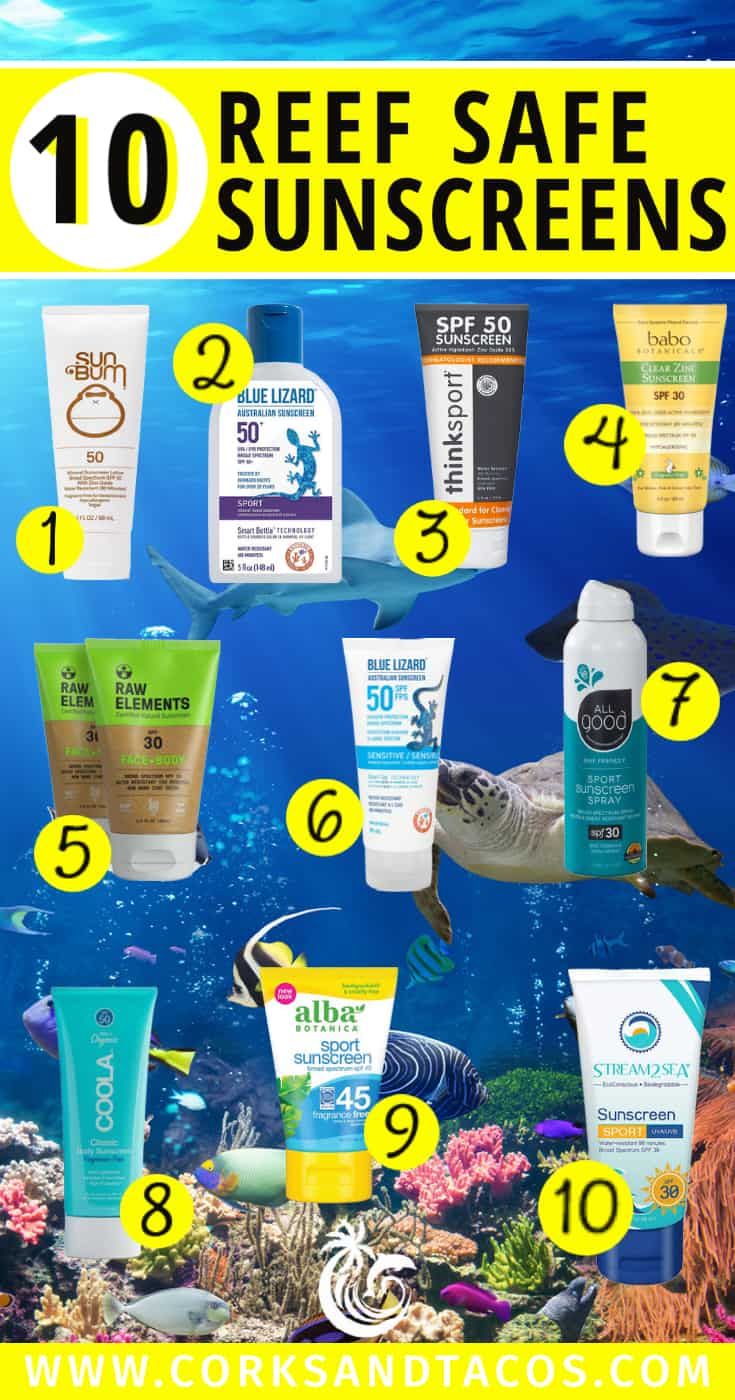
Given Octinoxate's potential impact on coral reefs, many locations, including Hawaii and some Caribbean nations, have banned sunscreens containing the chemical. It's also led to a growing trend in 'reef-safe' sunscreens, which typically use mineral sunblocks like Zinc Oxide or Titanium Dioxide instead.
As consumers, we have a role to play too. We can choose reef-safe sunscreens and ensure we remove them thoroughly before entering the water. It's also important to advocate for further research into the impact of sunscreens on coral reefs.
While the debate around Octinoxate's impact on coral reefs continues, the evidence so far suggests caution is warranted. As responsible water users and ocean lovers, it's up to us to do what we can to protect these fragile ecosystems for future generations.


Related Articles

Hawaiian Tropic Reef Safe: Is Your Sunscreen Harming Coral?
Diving into the crystalline waters of Hawaii, one can't help but marvel at the vibrant reefs teeming with marine life. But as a responsible ocean enthusiast...
Hawaii's Go-To: Reef Safe Sunscreen
Basking in the sun, sea, and sand is what Hawaii vacations are all about. However, the harsh truth is that traditional sunscreens contribute to the destruction...

What Does Reef Safe Sunscreen Mean?
Diving in the crystalline waters of the ocean, one glance at the vibrant reefs below sparks a sense of wonder. But these delicate ecosystems are under threat...

Sleep Safe: Discover Non-Toxic Sheets for a Healthy Night's Rest
The modern world is becoming increasingly aware of the importance of non-toxic, eco-friendly products in our daily lives. This extends beyond our food and...

Gas Fire Repairs: Expert Solutions for Safe & Efficient Heating
Gas fireplaces are a cozy and efficient way to heat your home, but like any appliance, they require regular maintenance and occasional repairs. If you're...

Precast Concrete Stair Treads: Easy, Durable, & Safe
Implementing durable and safe stairs in your residential or commercial space is a critical aspect of construction. One of the most practical and efficient...