What Does Reef Safe Sunscreen Mean?
Diving in the crystalline waters of the ocean, one glance at the vibrant reefs below sparks a sense of wonder. But these delicate ecosystems are under threat, and our sunscreen choices might be playing an unwitting role. So, what does reef-safe sunscreen mean, and why is it crucial for protecting our ocean's health?
Reef-safe sunscreen is a term coined to describe sunscreen products that are formulated without ingredients known to harm or bleach coral reefs. Coral bleaching, caused by elevated sea temperatures, is a significant threat. However, some chemical components in traditional sunscreens can exacerbate this issue.
Harmful Chemicals in Sunscreen
Twokey ingredients in conventional sunscreens, oxybenzone and octinoxate, have been identified as particularly harmful to coral reefs.


Oxybenzone
Oxybenzone, or BP-3, is a common UV-B absorber found in many sunscreens. Widespread use has led to high concentrations in water bodies. Studies have shown this chemical causes coral bleaching at extremely low concentrations.
Oxybenzone also disrupts coral reproduction by interfering with their hormone systems, making them less able to resist stress and more likely to become diseased. Fashioning reef-safe sunscreen, therefore, often means avoiding products with oxybenzone.


Octinoxate
Octinoxate, another common sunscreen ingredient, has not been studied as extensively as oxybenzone. However, research has suggested it can enhance the negative effects of other pollutants on corals, potentially leading to bleaching and increased coral mortality.
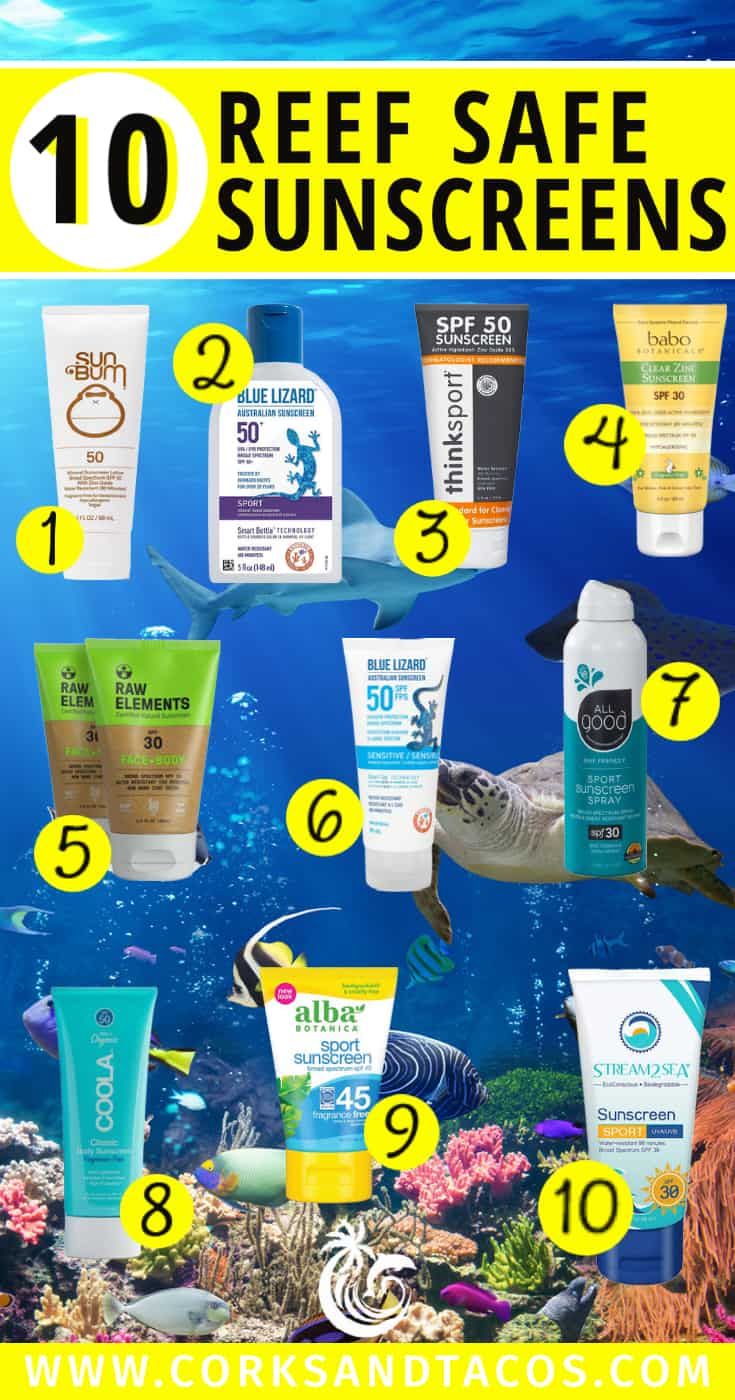
Given these findings, many sunscreen manufacturers have started to formulate reef-safe versions by excluding oxybenzone and octinoxate. They often replace these ingredients with minerals like zinc oxide and titanium dioxide, which are less harmful to coral reefs.
Understanding Reef-Safe Sunscreen Labels
With the growing demand for eco-friendly sunscreens, numerous products now market themselves as 'reef-safe.' However, not all labels can be trusted, and not all reef-safe sunscreens are created equal.


Regulations
Currently, there are no international standards or certifications for reef-safe sunscreen. This means manufacturers self-regulate, and terms like 'eco-friendly' or 'natural' may not accurately reflect a product's impact on corals.
Some countries, like Hawaii and Palau, have banned sunscreens containing oxybenzone and octinoxate due to environmental concerns. This has put pressure on sunscreen manufacturers to reformulate their products.
Reading Labels
While brands may claim their products are reef-safe, it's essential to read the fine print. Look for labels stating the product is free from oxybenzone and octinoxate. Additionally, check the ingredients list to ensure no other potentially harmful chemicals are present.


Some sunscreens might market themselves as reef-safe due to their broader benefits, such as being biodegradable or non-toxic. However, these attributes do not necessarily mean the product is safe for coral reefs.
Opting for reef-safe sunscreen is one of the easiest ways each of us can contribute to the preservation of marine ecosystems. By understanding what reef-safe sunscreen is and making informed purchasing decisions, we can help protect our ocean's delicate coral reefs.
Related Articles

Understanding "Fewer" in Math: A Comprehensive Guide
Familiar with the concept of "fewer"? You're likely to have encountered it in everyday life, but did you know it holds a significant place in mathematics too?...

What Does a B Mean?
The phrase "What does a B mean?" is a common query, especially in the context of text messaging and internet slang. In this comprehensive guide, we will...

What Does The 'E' Mean On A Calculator?
The letter 'e' on a calculator is not just a random digit, but a button with a profound significance. It's a key player in the world of mathematics and...

"What Does OMG Mean in Texting?"
Ever found yourself scratching your head over a text message that starts with "Obj:"? You're not alone. "Obj" has become a staple in modern texting lingo, but...

Understanding Locally Sourced: A Comprehensive Guide
If you're a health-conscious foodie, the term 'locally sourced' might already be part of your culinary lexicon. But what exactly does it mean? Let's dive in...

Hawaiian Tropic Reef Safe: Is Your Sunscreen Harming Coral?
Diving into the crystalline waters of Hawaii, one can't help but marvel at the vibrant reefs teeming with marine life. But as a responsible ocean enthusiast...