Heat Marks on Wood: Understanding Causes & Solutions
Have you ever noticed a discolored area or a light grayish tint on your otherwise pristine wooden furniture or flooring? This mysterious marking is often referred to as a heat mark on wood, and it's more common than you might think. Understanding these marks can help you preserve the natural beauty of your wooden surfaces and avoid future issues. Let's delve into the world of heat marks on wood and learn how they form, how to identify them, and, most importantly, how to prevent or eliminate them.
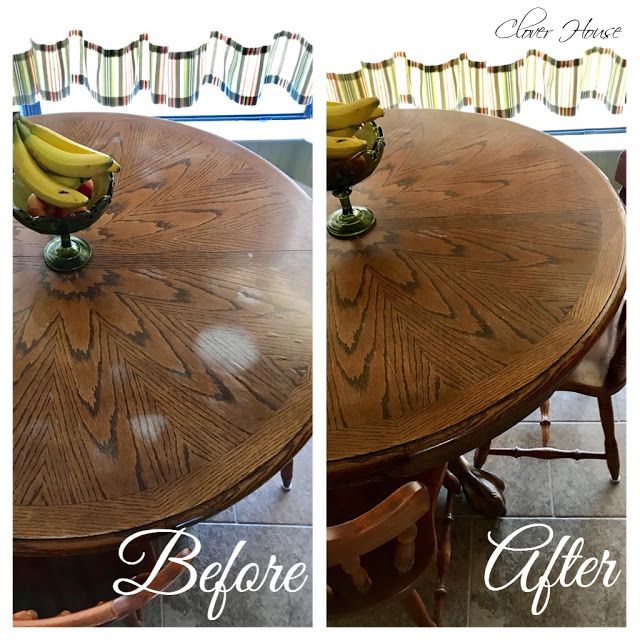
Heat marks on wood, also known as heat stains or ghosting, are a result of heat exposure causing the wood's color to lighten or darken temporarily. The mark may disappear once the wood cools down, but in severe cases, it can become permanent. These heat marks can occur on any wooden surface, from furniture to floors, and can be quite challenging to remove once they've set in.
The Science Behind Heat Marks on Wood
Wood is a natural and organic material, composed primarily of cellulose, lignin, and various extracts. When heat is applied, the components in the wood begin to break down, leading to a chemical reaction that affects the wood's color. This reaction is akin to how skin turns red when exposed to excessive heat, a visible sign of changed cellular structure.


The extent of the heat mark depends on the intensity of the heat, the duration of exposure, and the wood species. Some woods are more heat-sensitive than others, making them more prone to heat marks. For example, lighter woods like maple and pine are more susceptible than darker woods like walnut or cherry.
What Causes Heat Marks on Wood?
Heat marks can be caused by a variety of factors, both natural and man-made. Some common culprits include:


- Sunlight: Prolonged exposure to direct sunlight can cause heat marks, especially on untreated or finished wood surfaces.
- Heat sources: Radiators, space heaters, fireplaces, or even hot dishes left unattended can transfer heat to wood surfaces.
- Traffic: High traffic areas on wooden floors can generate heat, causing marks over time.
- Humidity and temperature changes: Sudden shifts in humidity or temperature can cause the wood to expand and contract, leading to marks if the wood is unstable or unfinished.
Understanding these causes can help you identify and address heat marks on your wooden surfaces more effectively.
Identifying Heat Marks on Wood
Heat marks on wood usually appear as light, ghostly outlines or discolorations. They can be challenging to spot, especially on darker woods. To help identify heat marks, try the following:
- Observe the area under different lighting conditions. Heat marks may appear more pronounced in certain light.
- Use a damp cloth to gently wipe the surface. If the mark disappears and reappears as the wood dries, it's likely a heat mark.
- Check for heat sources nearby, such as radiators or windows where sunlight may concentrate.
Once you've identified the heat mark, you can take steps to either eliminate or prevent it from becoming more visible.


Preventing Heat Marks on Wood
Prevention is often the best strategy when it comes to heat marks on wood. Here are some tips to help protect your wooden surfaces:
Protect from heat sources: Keep radiators, heaters, and fireplaces away from wooden surfaces. If possible, use a heat-resistant barrier, like a heatshield or a wide-based furniture leg to elevate and separate the wood from heat sources. Additionally, use trivets or coasters under hot dishes to prevent direct heat transfer.
Control sunlight exposure: Keep window treatments closed during peak sunlight hours, especially for south-facing or west-facing windows. You can also install UV-protective window films to reduce the sun's harmful effects on wood.

Maintain ideal humidity levels: Wood responds to changes in humidity by expanding and contracting. Maintaining an optimal relative humidity range of 45-55% can help prevent instability and resultant marks. Consider investing in a humidity monitor and adjusting your environment accordingly.
Removing Heat Marks from Wood: A Word of Caution
Removing heat marks from wood can be challenging, and it's essential to approach the process with caution. Sanding or staining can sometimes make the heat marks worse, as these processes can alter the wood's natural color unevenly. Before attempting to remove heat marks, consider the following:
- The severity and age of the heat mark. Older, more set-in marks may be impossible to remove.
- The wood's species and grain pattern. Some woods may have unique characteristics that affect the marks' appearance and removability.
- Your level of expertise and patience. Removing heat marks can be time-consuming and require multiple attempts.
If the heat mark is small and recent, you might try gently sanding the area with fine-grit sandpaper and refinishing it. However, if the mark is extensive or set, it may be best to live with it or consider professional help.
In closing, heat marks on wood are a common occurrence that can be caused by various factors. By understanding the science behind these marks, identifying them, and taking preventive measures, you can help maintain the natural beauty of your wooden surfaces. For persistent heat marks, consider seeking professional advice to avoid further damage. By being proactive and attentive, you can preserve the timeless elegance of your wooden furniture and flooring.
Related Articles

Heat Marks on Wood Tables: Causes & Prevention Tips
Have you ever noticed a small, pale line or cloudiness on your once pristine wooden table? It could be a heat mark, a common occurrence when hot objects are...

"Understanding Security Light Sensor Stays On: Causes & Solutions"
A puzzling issue that many homeowners and security-conscious individuals face is when their security light sensor stays on, bathing their property in...

Brown Spots on Plaster Ceiling: Causes & Solutions
Have you noticed unsightly brown marks appearing on your plaster ceiling? You're not alone. These stains can not only detract from your ceiling's aesthetic...

Gas Oven Smell: Causes & Solutions
The pungent, lingering smell that often accompanies the use of a gas oven can be disconcerting and unappealing. This odor, characterized by its strong...

Lower Alkalinity in Spas: Causes & Solutions
When it comes to maintaining a pristine and relaxing spa environment, water chemistry plays a pivotal role. One of the key parameters to monitor is alkalinity...

Double P-Trap Troubles: Causes & Solutions
Double P-trap issues can be a homeowner's nightmare, leading to wastewater backups and unpleasant odors. But don't let the thought of complex, expensive...