Heat Marks on Wood Tables: Causes & Prevention Tips
Have you ever noticed a small, pale line or cloudiness on your once pristine wooden table? It could be a heat mark, a common occurrence when hot objects are placed directly on wooden surfaces. But don't fret; understanding and managing heat marks can help preserve your wood table's beauty and lifespan.
Heat marks on wood tables are primarily caused by two culprits: heat and moisture. When hot items like pots or pans are placed on wooden surfaces, they evaporate the moisture naturally present in the wood. This evaporation leaves behind what we perceive as a heat mark - a slight discoloration or cloudiness. The wood fibers dry out, causing the grain to raise ever so slightly, creating the distinct mark.
Preventing Heat Marks
remisive to creating a barrier between hot items and your wooden tabletop. podemtr prevent heat marks from forming, you can employ a few simple strategies.


- Use Coasters: Coasters provide a protective layer between hot items and your wooden table, absorbing any moisture and preventing direct heat transfer.
- Apply Wood Conditioner: Regularly applying a wood conditioner or polish can help replenish natural oils in the wood,epsilon it more resistant to heat and moisture.
- Avert Direct Sunlight: Prolonged exposure to sunlight can also cause heat marks. Keep your wooden table out of direct sunlight or use UV-protective glazing.


Direct Heat: The Main Culprit
Direct heat from pots, pans, or even laptops is one of the primary causes of heat marks on wooden tables. The heat evaporates the moisture in the wood, causing discoloration.
| Hot Object | Potential Damage |
|---|---|
| Cast Iron Skillet | Concentrated heat can cause deep, dark heat marks. |
| Laptop | With prolonged use, laptops can leave heat marks and cause warping. |
| Hot Tea Mug | Steam and condensation can lead to discoloration and warping. |


Maintaining Wooden Tables
Maintaining your wooden table involves more than just preventing heat marks. Regular cleaning, occasional refinishing, and proper humidity control can extend the life and beauty of your wooden table.
- Clean Regularly: Regular cleaning with a mild, wood-friendly cleaner and gentle soap removes dust and dirt, helping maintain the wood's natural finish.
- Refinish Occasionally: Periodic sanding, staining, and sealing help restore the wood's appearance and protective finish.
- Regulate Humidity: Maintaining consistent indoor humidity levels (between 40-50%) helps keep woodplanks stable and reduces the risk of warping or cracking.


Reviving Heat Marks: Is It Possible?
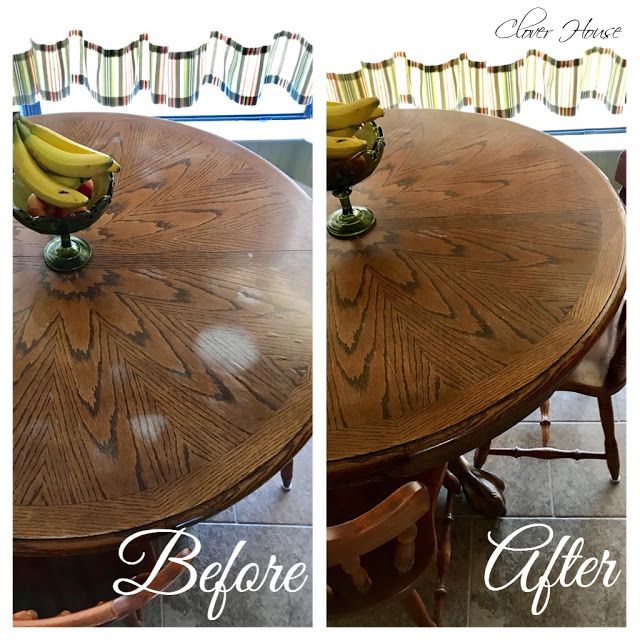
Unfortunately, once a heat mark has formed on a wooden table, it's challenging to remove it completely. The discoloration is permanent, as the heat mark represents a change in the wood's grain and structure.
However, you can mitigate the appearance of heat marks by:
- Lightly Sanding: Gently sand the heat mark with fine-grit sandpaper and apply a new coat of stain and sealant. This may even out the color slightly, but expect some residual discoloration.
- Applyingophagus:A touch of complementary color (such as a matching or near-matching stain) can help blend heat marks more seamlessly into the table's overall appearance.
In the end, heat marks on wood tables are a natural occurrence that adds character and patina to your furniture. Embrace them as a story of your table's journey and maintain your wooden table with these tips for a long, beautiful life.
Related Articles
Heat Marks on Wood: Understanding Causes & Solutions
Have you ever noticed a discolored area or a light grayish tint on your otherwise pristine wooden furniture or flooring? This mysterious marking is often...

Oven Damage: Causes, Solutions & Prevention Tips
Accidents can happen in the kitchen, and one of the most frustrating culprits is oven damage. Whether it's a self-cleaning oven, a gas oven, or an electric...

Blueberry Mold: Causes, Prevention & Fresh Picking Tips
Blueberries are a delicious and nutritious favorite, packed with antioxidants and fiber. However, like other berries, blueberries can sometimes develop mold...

Door Frame Rot: causes, solutions, and prevention tips
Door frame rot is a common issue that can significantly compromise the structural integrity of your home or office. It's a problem that often goes unnoticed...

Water Damage on Wood: Causes, Effects & Prevention
Discovering water damage on wood is never a welcome sight. It not only weakens the structure but also invites mold and rot, further exacerbating the problem...

Outlet Burned Out: Causes and Prevention Tips
Have you ever turned on a light switch, only to find the outlet seemingly doing nothing? If the outlet is definitively not faulty yet not providing power, it...