Art Deco Shelving: Stylish & Practical Storage Solutions
Step back in time to the Roaring Twenties, an era renowned for its lavish, bold, and elegant design, and you'll find the birthplace of Art Deco. This much-loved style, with its geometric shapes, vibrant colors, and luxurious materials, didn't just stop at architecture or fashion; it transformed furniture design, too. Enter the Art Deco shelving unit, a beautiful blend of functionality and aesthetics that's as stunning today as it was a century ago.
Art Deco shelving is characterized by its clean lines, symmetrical design, and bold use of materials. It's a testament to the era's fascination with new technologies, materials, and cultures. Let's delve into the fascinating world of Art Deco shelving, exploring its key features, where to find it, and how to incorporate it into today's interiors.
Understanding Art Deco Shelving: Key Features
Art Deco shelving is instantly recognizable, but what exactly makes a shelving unit unmistakably Art Deco? Let's look at some key features that define this style.


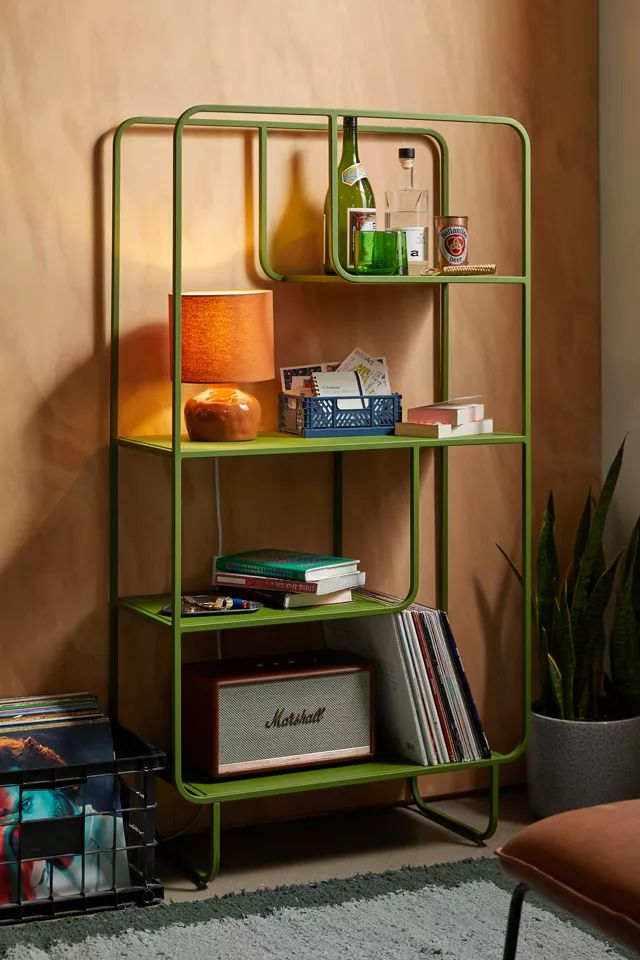
Aesthetically, Art Deco shelving is all about balance and symmetry. It often features clean, geometric lines, with square, rectangular, or trapezoid shapes being the most common. Materials like lacquered wood, chrome, brass, and glass are favorites in Art Deco design, reflecting the era's fascination with streamlined, modern forms and luxurious materials.
Materials: Luxury Meets Functionality
Art Deco shelving units often showcase a variety of materials, with wood being a primary choice. Mahogany, ebony, and cherry were popular during the Art Deco era, and these rich, warm woods still evoke the spirit of the style today. Chrome and brass accents add a touch of opulence and a gleaming, modern feel, while glass shelves bring a sense of lightness and openness to the design.


Steel was also found in Art Deco furniture, and while it's not typically used in shelving, Art Deco bookcases often feature steel supports or framework. This not only adds strength but also emphasizes the clean lines and geometric shapes that define the Art Deco aesthetic.
Design Elements: Geometric Shapes and Bold Lines
Geometric shapes are a hallmark of Art Deco design, and they're no exception in Art Deco shelving. Zigzags, sunbursts, trapezoids, and stylized fans are common motifs, often incorporated into the shelving unit's design. Look out for repeating geometric patterns, especially on the sides or the front of the unit.
Bold, horizontal lines are another characteristic feature. These can be created by the layout of the shelves or by adding bold, horizontal printed or inlaid patterns to the unit's face or sides.


Where to Find Art Deco Shelving Today
If you're eager to bring an Art Deco touch to your home, you'll be pleased to know that there are plenty of ways to source Art Deco shelving today.
Firstly, consider online marketplaces and vintage furniture stores. You'll often find genuine Art Deco pieces here, although prices can be high. Auction houses and estate sales are also excellent hunting grounds for authentic Art Deco shelving units.
Reproduction Pieces: Modern Take on a Classic Style
If your budget doesn't stretch to an original Art Deco piece, don't despair. Many furniture manufacturers now produce Art Deco-inspired shelving units. These often blend classic Art Deco design elements with modern materials and manufacturing techniques, creating stylish, functional pieces for today's homes.


When shopping for reproduction Art Deco shelving, look for pieces that capture the spirit of the era. Geometric shapes, bold lines, and a mix of materials are all telltale signs you're looking at a genuine Art Deco-influenced piece.
DIY: Create Your Own Art Deco-Style Shelving
Got a flair for DIY? Why not create your own Art Deco-inspired shelving unit? Using materials like plywood, MDF, and glass, you can design and build a bespoke unit that complements your space and your budget.
Consider the golden ratio (around 1:4:9 for art deco shelving) when planning your unit's dimensions. Incorporate geometric patterns and shapes into your design, and think about using materials like glass, chrome, and brass to add that final Art Deco touch.
Incorporating Art Deco Shelving into Modern Interiors
Art Deco shelving can transform a room, adding a touch of glamour, a pop of color, or a burst of geometric interest. But how do you incorporate these stunning pieces into modern interiors without them overwhelming the space? Here are some tips to help you get it right.
Firstly, consider the scale of your shelving unit. Opting for a piece that's proportional to your room's size helps maintain a balanced, harmonious feel. Secondly, think about the other furniture and accessories in the space. Art Deco shelving can act as a stunningcounterpoint to simple, clean-lined furniture, or it can be the star of the show in a room filled with classic Art Deco pieces.
Balance: The Art Deco Skill of Symmetry
Art Deco is all about balance and symmetry. To echo these principles in your interior, consider arranging items on your Art Deco shelving unit in an asymmetrical but balanced way. This creates visual interest without disrupting the harmony of the room.
Art Deco shelving often looks fantastic arranged against a bold, contrasting wall color. This helps the unit stand out and creates a striking focal point in the room. If you're not ready to commit to a bold wall color, consider adding color through accessories on and around the shelving unit.
Accessories: Add Pops of Color and Pattern
Art Deco accessories are a great way to emphasize the style of your shelving unit while adding pops of color and pattern. Think bright vases, geometric bookends, or eye-catching sculptures inspired by the Art Deco era. Don't be afraid to mix and match metals, too. Art Deco design often features multiple metals, so your brass-brown-brass trio looks right at home.
If you want to maintain a cohesive look, stick to a few Art Deco-inspired pieces and balance them out with simple, classic accessories in complementary colors and materials. You can always swap items in and out as your tastes or the seasons change.
So, there you have it - a comprehensive guide to the stunning world of Art Deco shelving. From understanding its key features to finding and incorporating these beautiful units into modern interiors, there's much to explore. But the journey doesn't have to end here. Take inspiration from the past, and let it guide you as you create a unique, captivating space that's all your own.
Related Articles

Modern Shelving Units: Contemporary Storage Solutions
In the ever-evolving landscape of home and office decor, contemporary shelving units have emerged as versatile, stylish, and functional must-haves. These...

Industrial Storage Coffee Table: Practical & Stylish
In the realm of industrial design, functional elegance meets practicality, giving rise to striking yet utilitarian pieces like the industrial storage coffee...

Restoration Hardware Shelving Units: Timeless Storage Solutions
Transforming a space, be it a home office, living room, or bedroom, can be as simple as introducing the right shelving unit. When it comes to stylish, durable...
Mid-Century Modern Shelving: Timeless Storage Solutions
Embracing the charm of the mid-century aesthetic ushers in a timeless, vintage appeal that transcends decades. Shelving is not just a functional element but a...

Built-In Cabinets: Malden's Storage Solutions
Discover the perfect blend of functionality and aesthetics with built-in cabinets in Malden, MA. These custom solutions transform any space, enhancing both...

Cole File Cabinet: Efficient Storage Solutions
Impeccable organization is the lifeblood of any thriving space, be it a bustling office or a cozy home study. Among the stalwart collaborators in this...