Mid-Century Modern Shelving: Timeless Storage Solutions
Embracing the charm of the mid-century aesthetic ushers in a timeless, vintage appeal that transcends decades. Shelving is not just a functional element but a design statement in this era, and understanding mid-century modern shelving can inspire your space with a distinctive cool factor. Let's delve into the captivating world of mid-century shelving to inspire your decor.
The mid-century modern era, roughly spanning the 1930s to the late 1960s, was a period of radical innovation in design. Characterized by clean lines, open floor plans, and an emphasis on functionality, mid-century modern design revolutionized the way we live and interact with our spaces. Shelving, in this context, evolved from a utilitarian element to an aesthetic one, shaping the narrative of entire rooms.
iconic Mid-Century Modern Design Features
Before we dive into the specifics of mid-century shelving, let's appreciate the core design features that define this era. These principles guide the selection and incorporation of mid-century furniture pieces, including shelving units:
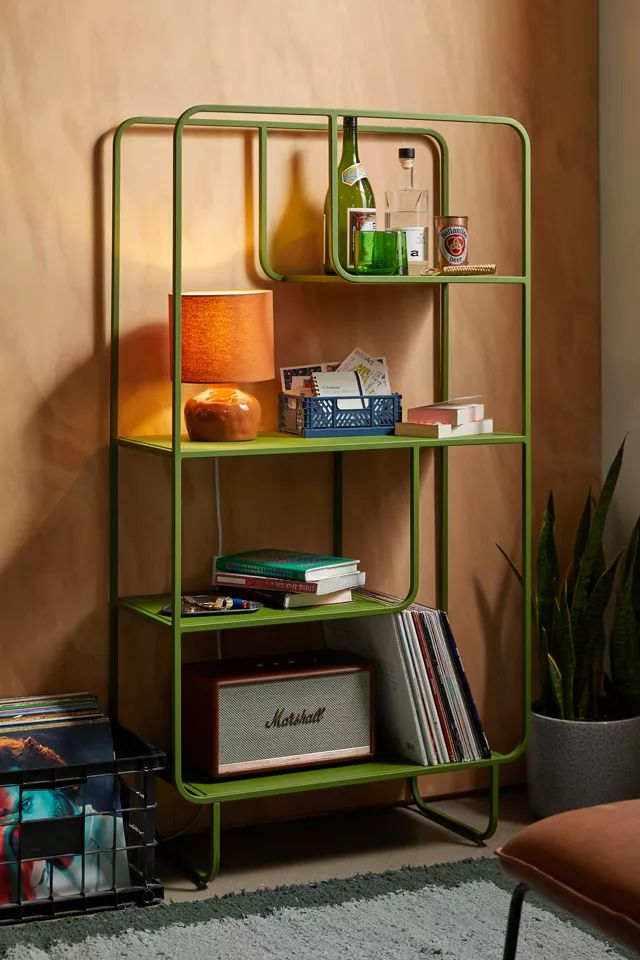


Functionality was the golden rule, guiding designers to create pieces that served a purpose yet exuded elegance. Simplicity was paramount, dictated by the mantra "less is more." Timber, often teak, maple, or walnut, was the material of choice, showcasing the beauty of wood grain. Natural materials like rattan, cork, and leather lent warmth and texture to spaces. Modernist-inspired lines— straight, clean, and geometric—defined the silhouette of furniture, with an emphasis on horizontal and vertical lines.
Material Selection
Mid-century modern shelving solutions loved to flaunt their natural materiality. Teak, rosewood, and walnut were popular choices, their rich hued grain adding warmth and character to spaces. Metal, primarily brass and chrome, was employed sparingly yet effectively, as accents or to craft slender, minimalist supports.


Even plastic and Formica made brief yet significant appearances, reflecting the spirit of experimentation and innovation that defined the era. These materials allowed designers to explore form and functionality, producing pieces that were as much sculpture as they were furniture.
Form and Proportion
The form of mid-century shelving units was sculptural, capitalizing on the organic forms that dominated the era's design vocabulary. Pure, geometric lines and simple, honest construction defined the silhouettes. Overhanging, cantilevered shelves were a staple, creating a floating, lightweight aesthetic.
Proportion was another crucial aspect, with shelving units often scaled to fit human proportions. This thoughtful consideration of ergonomics made them comfortable to use and interact with, echoing the mid-century dictum of "form follows function."


Mid-Century Modern Shelving Styles
Mid-century shelving designs were diverse, reflecting the era's broad architectural and cultural influences. By exploring different styles, you can harness mid-century aesthetics to suit various interior schemes:
Scandinavian influences brought us clean, minimalist designs, often featuring simple, angled supports and discreet, integrated lighting. This style favored light-colored timbers and ebbed with a delicate, understated elegance.
Nordic Influences
Inspired by the crisp, stark lines of Scandinavian design, these shelving units were unadorned and function-focused. Characterized by thin, angled legs and clean, vertical lines, they showcased the beauty of natural wood grain. Seamless, integrated lighting added a futuristic, beguiling touch.

To incorporate this style, opt for pale timbers like birch and ash, coupled with minimal hardware. Paired with a monochromatic color palette, these pieces can create a harmonious, cohesive whole—an ode to the enduring allure of mid-century modern design.
The California Look
Born from the fusion of organic and modernist influences, the California look embraced the exotic, the normative, and the ingenious. Shelving here broke the mold, featuring sculptural, sculpted forms and playful, experimental designs.
To emulate this style, choose richly hued timbers like teak or walnut, paired with brass hardware. Incorporate elements like overhanging shelves, distinctive grain patterns, and sculptural bases to recreate the spirit of 1950s California design.
Ultimately, mid-century modern shelving units are more than mere furnishings; they are design statements, their timeless silhouettes and honest materials telling a story deeply rooted in history yet undeniably relevant today. By embracing these principles, you can invigorate your space with a fresh, vibrant interpretation of this iconic era. So go ahead, delve into the captivating realm of mid-century modern design, and let your shelves take center stage.
Related Articles

Mid-Century Modern China Cabinet: Timeless Storage for Your Heirlooms
Step back in time to the golden age of home decor with a mid century china cabinet , a timeless piece that seamlessly blends form and function. A staple of...

Mid-Century Modern Wardrobe:Timeless Storage Solutions
Step into the timeless elegance of mid-century modern style with a wardrobe that flawlessly blends functionality and aesthetics, capturing the essence of an...

Mid-Century Hutch: Timeless Storage & Style
Ahh, the mid-century hutch! A staple of retro design, it's the golden era's answer to modern storage solutions. Picture it: sleek lines, warm wood tones, and...

Mid-Century Modern Media Console: Timeless Design for Today's Tech
Add a touch of classic elegance to your living space with a mid-century media console. These versatile pieces of furniture, popularized in the mid-20th...

Mid-Century Modern Cabinet: Timeless Design, Vintage Style
Embarking on a journey through the past, the mid-century cabinet presents a fascinating glimpse into the design evolution of the 1940s and 1950s. This iconic...

Mid-Century Modern Sectionals: Timeless Comfort for Your Space
Adding a touch of retro charm to modern spaces, mid-century sectionals have become a design staple. With clean lines, tapered legs, and classic proportions...