What Causes Yellow Stains on Linoleum
Linoleum is a durable, versatile, and affordable flooring option for homes and businesses. However, over time, you might notice unsightly yellow stains appearing on your linoleum floor, which can be quite frustrating. But what causes these yellow stains, and more importantly, how can you remove them? Let's delve into the reasons behind these stains and explore practical solutions.
Yellow stains on linoleum can be caused by a range of factors, from everyday wear and tear to more specific sources. Understanding the reason behind the stain is the first step in effectively treating it. Let's explore the primary causes of yellow stains on linoleum and learn how to address each one.
Everyday Wear and Tear
Over time, linoleum floors can exhibit signs of aging, with yellowing being one of the most common indicators. This discoloration occurs due to a natural breakdown of the flooring's top layer. Linoleum is made from ground cork or wood particles mixed with pigments and resin, and over time, these components can break down, leading to a change in color.


Factors such as sunlight exposure, high traffic areas, and constant cleaning can accelerate this process. However, it's essential to note that this form of yellowing is typically mild and can be managed with routine cleaning and maintenance. In most cases, rebuffing or recoating the linoleum can help restore its original appearance.
Ingredients in Cleaning Products
Some cleaning products contain harsh chemicals or bleach that can cause discoloration on linoleum. While these products might work effectively in removing dirt and grime, they can break down the flooring's surface over time, leading to yellow stains. Always opt for cleaning products specifically designed for use on linoleum, and follow the manufacturer's instructions for safe and effective use.


Moreover, be wary of everyday products like kitchen grease or soap residue that might accidentally get onto your linoleum floor. These substances can settle into the flooring's pores and cause discoloration if not promptly cleaned. To prevent this, clean up spills immediately and ensure that you rinse the floor thoroughly after each cleaning session.
Moisture and Humidity
Excessive moisture and high humidity levels can cause yellow stains on linoleum. This is particularly true in areas prone to condensation, such as bathrooms or basements. When water seeps into the flooring, it can dissolve and carry the pigment to the surface, resulting in yellow stains.
To combat this, ensure that your home is well-ventilated, and address any moisture-related issues promptly. Use a dehumidifier or Fans to keep humidity levels in check, especially in humid climates. Additionally, consider installing a vapor barrier during the installation process to prevent moisture from getting underneath the linoleum.


Specific Contaminants
Apart from everyday wear and tear and basic maintenance issues, certain contaminants can cause yellow stains on linoleum. These contaminants can be either liquid or solid in nature, and removing them requires addressing the specific cause.
Some common contaminants include rust, pet urine, and food or drink stains. Each of these contaminants requires a specific cleaning approach to remove them effectively without causing further damage to the linoleum.
Rust Stains
Rust stains typically appear when metal objects, such as chair legs or the legs of heavy furniture, come into contact with moisture on the linoleum surface. The resulting yellow stain can be quite stubborn and difficult to remove.
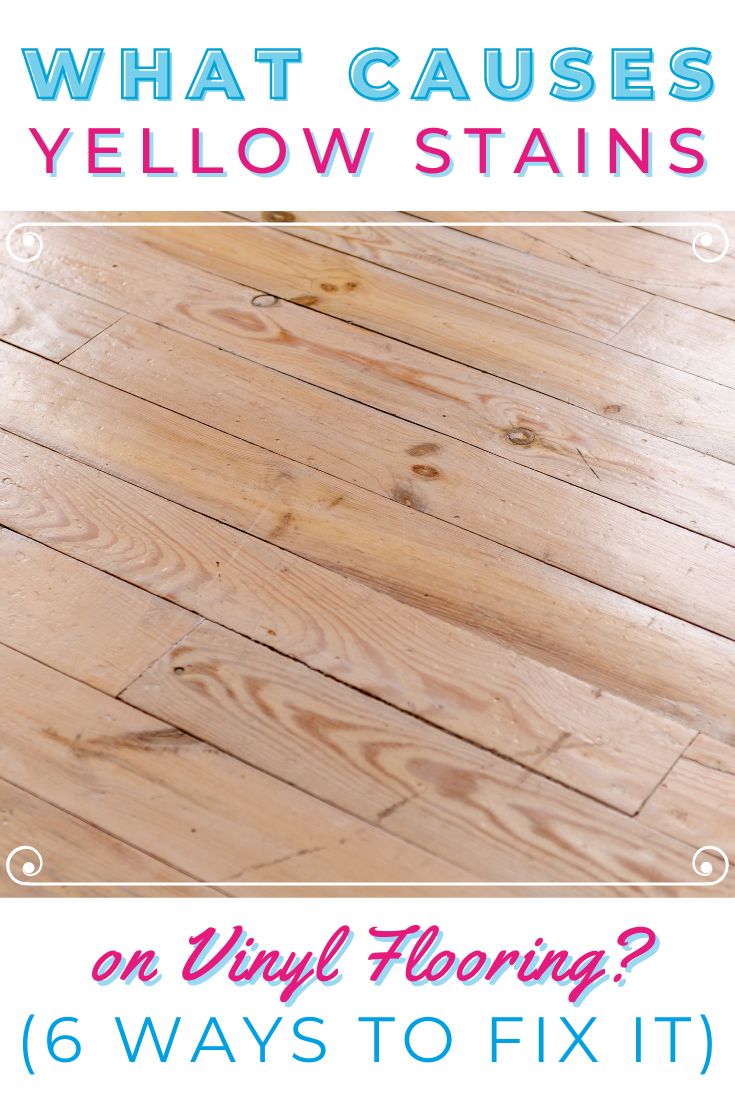


To tackle rust stains, first, dry the area completely. Then, apply a mixture of equal parts white vinegar and water to the affected area, using a soft cloth or sponge. Allow the solution to sit for about 15-20 minutes before gently rubbing the stain away with a non-abrasive pad. Rinse the area thoroughly with clean water and dry it with a towel.
Pet Urine Stains
Pet urine can cause yellow stains on linoleum, which can be challenging to remove due to the strong ammonia content. To address this, start by blotting the excess urine with paper towels or a clean cloth. Then, apply a mixture of dish soap and warm water to the affected area, using a soft brush to work the solution into the stain.
Let the solution sit for about 10-15 minutes before blotting it away with a damp cloth. Rinse the area with clean water and allow it to dry completely. If the stain persists, you may need to repeat the process or consider using a specialized pet stain remover designed for use on linoleum.
With proper care and maintenance, you can keep your linoleum floor looking clean and inviting. Regular cleaning, prompt stain removal, and addressing potential moisture issues can help extend the lifespan of your linoleum flooring and prevent unsightly yellow stains from marring its appearance. By understanding the causes behind these stains and taking proactive measures, you can maintain a beautiful and functional floor for years to come.
Related Articles

"Why Do My Bathroom Walls Have Yellow Sweat Stains?"
Are you baffled by the yellow stains appearing on your bathroom walls? You're not alone. This ordeal, often referred to as "yellow bathtub ring" or "bathroom...

What Causes Spray Paint Wrinkles When Drying
Have you ever applied a fresh coat of spray paint, only to step back and notice the once-smooth surface begin to wrinkle and form an unwanted textured pattern...

What Color Furniture Works Best with Yellow Walls
If you've recently painted your walls a vibrant shade of yellow, you might be wondering what color furniture would complement your space and create a...

Unraveling Maple Leaf Mysteries: Causes and Remedies for Black Spots
If you've noticed dark spots, or what can appear as black spots, on your maple tree leaves, you're not alone. This can be a cause for concern, but...

Money Tree Turning Yellow: Causes and Fixes
` The vibrant, lush green of a money tree (Pachira aquatica) is a delightful précis of prosperity and good fortune according to feng shui. Yet, when the leaves...

Yellow Meets Green: Mix & Match Results
When we mix the vibrant color of the summer sun, yellow, with the freshness of spring, green, we get a blend that's not only pleasing to the eye but also...