Urban Green Furniture
In the heart of bustling cities, where concrete jungles overshadow the natural world, there's a growing recognition of the importance of green spaces. Urban green furniture plays a pivotal role in this shift, seamlessly blending nature and design to create sustainable, inviting, and eco-friendly public spaces. Let's dive into the world of urban green furniture, exploring its benefits, materials, and trends.
This movement towards greener cities isn't just about aesthetics; it's a response to the urgent need for more trees and plants in urban areas. According to a study by The Nature Conservancy, cities with more green spaces have better air quality, lower average temperatures, and improved mental health among residents. Urban green furniture, therefore, is not merely a design choice but a necessity for creating healthier, happier cities.
Materials in Urban Green Furniture
At the heart of any green furniture is the material. Local, sustainable materials are increasingly popular for their environmental benefits and ability to blend seamlessly with their surroundings.
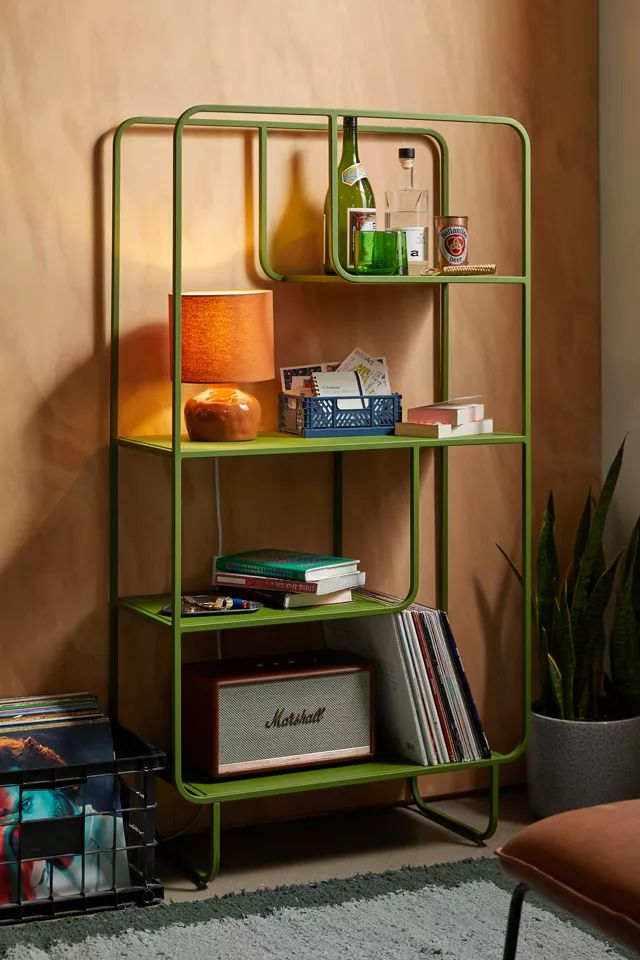


Recycled plastic and sustainable wood are common choices. Recycled plastic is durable, weather-resistant, and can be molded into various shapes, making it ideal for bench seats, planters, and even playground equipment. Sustainable woods like FSC-certified teak or recycled plasticwood offer a natural, warm aesthetic and can be used for seating, tables, and outdoor structures.
Sustainable Wood
Sustainable wood is often the go-to material for urban green furniture due to its durability, natural beauty, and environmental credentials. It's perfect for parks, public spaces, and garden settings, offering a warm, inviting atmosphere.


One prominent example is the use of FSC-certified woods. The Forest Stewardship Council (FSC) ensures that the wood comes from responsibly managed forests, promoting sustainability and preserving biodiversity.
Recycled Materials
Recycled materials are another notable option for urban furniture. They divert waste from landfills, reducing their carbon footprint, and can often outlast conventional materials due to innovative design and sealed surfaces.
Recycled plastic, for instance, can be transformed into robust, low-maintenance furniture, ideal for heavy-usage public spaces. It's also easy to color and mold, allowing for creative and eye-catching designs.


Design Trends in Urban Green Furniture
Design trends in urban green furniture reflect the growing demand for sustainability, functionality, and creative integration of nature into cities.
From living walls to mossy stairs, from green roofs to sustainable play areas, the design possibilities are vast and varied. Here are two key trends:
Integrated Planting Solutions
Integrated planting solutions blend plants with furniture, creating living, breathing spaces. From park benches embedded with flowers to planters disguising bike racks, these designs prioritize functionality without sacrificing greenery.


One example is the 'Living Bench' by German designer exception, which features a built-in planter that encourages moss growth, turning the bench into a lush, inviting asset over time.
Multi-functional Design
Urban spaces are often scarce, so furniture that serves multiple purposes is highly prized. From seats that double as tables to stairs with integrated seating, these designs maximize space and create adaptable public spaces.
A great example is the 'Habitecture' play area in London. It's a playground, a meeting place, a piece of street art, and a green space all in one, demonstrating the immense potential of urban green furniture.
The future of urban design leans heavily on the integration of nature and sustainability. As our cities grow, so too will the demand for urban green furniture. By embracing this trend, we're not just enhancing our public spaces - we're investing in the health and well-being of our cities and their residents. So, let's make our cities greener, one seating area, one planter, one public space at a time.
Related Articles

Affordable Eco-Friendly Furniture: Green Living on a Budget
Did you know that eco-friendly furniture isn't just good for the planet, but it can also be incredibly affordable? Sustainable living doesn't have to break the...

Best Furniture Stores in Bloomington, Indiana
Discovering the perfect piece of furniture for your home in Bloomington, Indiana, can be an exciting adventure. But where do you start? Fortunately, the city...

Foam It Green 602: Eco-Friendly Insulation Solution
When it comes to finding an eco-friendly, efficient, and versatile spray foam insulation, Foam-It Green 602 consistently tops the list. This premium product...

Ankeny's Best Furniture Outlet: Save Big!
Searching for high-quality, affordable furniture in Ankeny, Iowa? Look no further than Furniture Outlet Ankeny, your go-to destination for a perfect blend of...

Baby Furniture Stores: Find New Jersey's Best for Your Little One
When it comes to shopping for baby furniture, New Jersey-based parents have a plethora of options to choose from, with numerous baby furniture stores sprinkled...

Wyckoff Furniture Cerritos: Discover Your Ideal Home Collection
Nestled in the heart of Cerritos, California, Wyckoff Furniture offers a captivating blend of style, quality, and unparalleled customer service, making it a...