Unclog Your Sink Instantly with Bleach
Have you been dealing with a stubborn clog in your kitchen or bathroom sink? It's not only unsightly but can also trigger unpleasant odors. While there are numerous methods to unclog a sink, few are as simple, effective, and budget-friendly as using bleach. Yes, you read that right. Bleach can safely and efficiently clear out those irritating clogs, and we're here to guide you through the process in an SEO-optimized, human-friendly manner.
But before we dive into the step-by-step process, let's first address the 'why' and the 'safety' aspects. Bleach is a powerful cleaning agent that can dissolve organic matter, making it excellent for unclogging sinks. It's also cheap and readily available. However, while it's effective, it's crucial to handle it with care due to its harmful properties. Now that we've got that covered, let's proceed.
Bleach for Unclogging Sinks: A Step-by-Step Guide
In this section, we'll delve into the detailed process of using bleach to unclog your sink, breaking it down into manageable steps.


Before you start, ensure you're working in a well-ventilated area, have protective gloves and eyewear, and have rinsed your sink and drained as much standing water as possible. It's also advisable to have a bottle of pure vinegar at hand to neutralize any leftover bleach residue.
Step 1: Clear the Clogged Area
The first step is to make the bleach's job easier by removing any obvious clogs. Use a plunger or a drain snake to physically remove the blockage, if possible. If not, the bleach should help dissolve it.


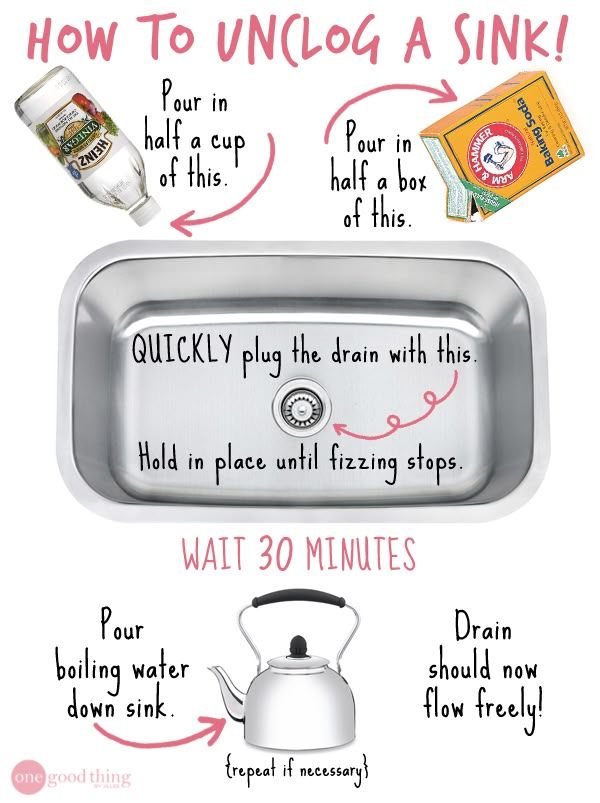
Pour about a cup of bleach directly into the drain. Be careful not to splash, and if you do, rinse it off immediately. Let the bleach sit for about half an hour. The bleach will bubble up as it works to dissolve the clog. After 30 minutes, pour a pot of boiling water into the drain to flush out the loosened clog.
Step 2: Repeat the Process
If the sink is still clogged, repeat the process. Sometimes, it takes a few tries to fully clear the drain. Remember, patience is key here. Each round of bleach treatment should be followed by a round of boiling water to flush out the drain.
However, if after several attempts the sink remains clogged, it might be best to call a professional plumber. Some clogs may be too severe or complex for DIY solutions.




Safety and Precautions When Using Bleach
While bleach is an effective tool for unclogging sinks, it's essential to handle it safely to avoid any potential hazards. In this section, we'll discuss some crucial safety tips and precautions.
Always wear protective clothing, including gloves and eyewear, when handling bleach. Keep children and pets away from the affected area. Never mix bleach with other cleaning products, as this can create harmful fumes. If you happen to spill bleach, clean it up immediately to prevent damage to your surfaces. And as we've mentioned before, always ventilate the area well.
Neutralizing Bleach with Vinegar
The bleach used in the unclogging process can leave behind a residue that could potentially damage your pipes. To prevent this, it's crucial to neutralize any remaining bleach with vinegar. Here's how:


After the bleach has done its job and the water has drained, pour a cup of pure vinegar down the drain. Let it sit for about 10 minutes, then follow it up with another round of boiling water to flush out the drain. This will neutralize any remaining bleach, ensuring your pipes remain healthy and unharmed.
Do's and Don'ts of Using Bleach
Now that we've covered the process and safety aspects let's summarize the dos and don'ts of using bleach to unclog sinks:
- Do: Use bleach sparingly and follow the instructions above closely.
- Do: Ensure your hands and face are protected during application.
- Do: Neutralize bleach with vinegar to protect your pipes.
- Don't: Mix bleach with other cleaning agents. The combination can create harmful fumes.
- Don't: Use bleach on clogs that might include metal or plastic parts, as bleach can damage these materials.
- Don't: Pour bleach on a drain fire. This can cause an explosion.
By following these guidelines, you're well on your way to making your sink obstruction a thing of the past. But remember, prevention is always better than cure. To prevent future clogs, avoid pouring grease, food scraps, and hair down your drain, and consider installing a drain strainer.
And there you have it - a comprehensive guide on how to unclog your sink with bleach. The next time you're faced with a stubborn clog, you can tackle it head-on with confidence. So go forth, unclog, and conquer!
Related Articles

How to Unclog Your Sink Fast: Hair Removal Tips
If you're staring at a sink full of water that refuses to drain, there's a good chance you're dealing with a hair clog. Don't let this common plumbing issue...

Bleach Cleaning: Revive Your Concrete Fast
Concrete, a versatile and robust material, is widely used in various construction applications. However, over time, it can accumulate dirt, mold, mildew, and...
Bleach vs Clog: Can Bleach Unclog a Sink?
Sinks are essential fixtures in our homes, and clogs are an inconvenient yet common issue. While there are numerous products on the market to clear these...

Liquid Snake Drain Cleaner: Unclog Your Pipes Instantly
When it comes to keeping your drains clear and your home running smoothly, few tools are as reliable as a strong, effective drain cleaner. One popular option...

Revive Your Lawn Instantly: Green Up Fast with These Magical Tips
Spring is in the air, and that means it's time to transform your lawn from winter's drab brown into a lush, verdant escape. Achieving that pristine, green-up...

Flow Easy Drain Opener: Unclog Your Pipes with Ease
Ever found yourself facing backed-up drains, sullying your sink or bathtub, and leaving you with an unwanted, lingering aroma? Dealing with such issues can be...