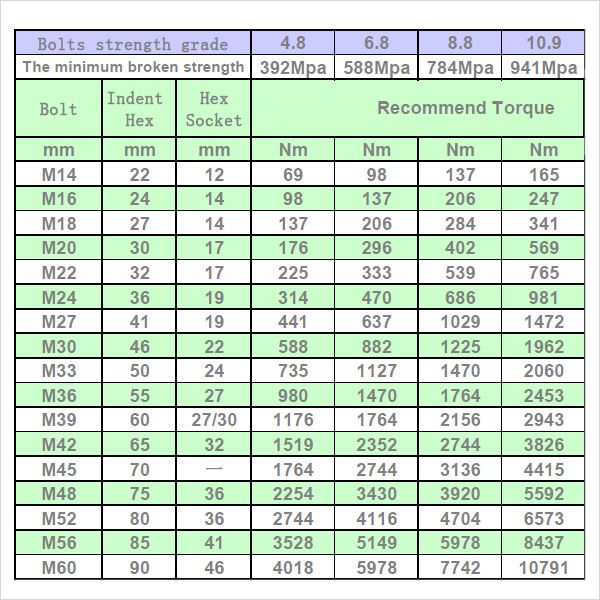
Torque Conversion Chart: Find Your Perfect Ratio
Torque, a fundamental concept in physics, is a measure of an object's tendency to rotate. It's typically measured in units like Newton meters (Nm), foot-pounds (ft-lbs), or pound-force feet (lbf⋅ft). Understanding torque is crucial in various fields, from mechanical engineering to physical training, and having a torque conversion chart at hand can be incredibly helpful. Let's dive into the world of torque with this comprehensive guide.
A torque conversion chart is a useful tool that allows you to convert torque values from one unit to another. This might seem like a simple task, but it's essential for accurate calculations and comparisons, especially in international settings where different units might be used. Let's first understand the basics of torque measurement units.
Torque Measurement Units
Torque is most commonly measured in Newton meters (Nm) in the international system of units (SI). However, depending on the context and location, you might encounter other units like foot-pounds or pound-force feet. Let's discuss these units and their interconversions.


First, let's clear up the confusion between Newton meters and pound-force feet. While both units describe force applied at a distance, Newton meters (Nm) use the Newton (N) as the base unit, while pound-force feet (lbf⋅ft) use the pound-force (lbf).
Newton Meters (Nm) to Foot-Pounds (ft-lbs)
Foot-pounds (ft-lbs) is an imperial unit often used in the United States to measure torque. Since 1 pound-force is approximately equal to 4.44822 N, you can convert Nm to ft-lbs using the following formula:


Torque in ft-lbs = (Torque in Nm) / 1.35582
For example, 50 Nm of torque is approximately 36.84 ft-lbs.
Foot-Pounds (ft-lbs) to Newton Meters (Nm)
To convert ft-lbs to Nm, you can use the reciprocal of the above conversion factor:


Torque in Nm = (Torque in ft-lbs) * 1.35582
Using our previous example, 36.84 ft-lbs is approximately 50 Nm.
Converting Between Other Torque Units
While the most common conversions involve Nm and ft-lbs, you might need to convert torque to or from other units like ft⋅lbf or pound-force feet (lbf⋅ft). In such cases, you can use the following conversion factors:


- Newton meters (Nm) to ft⋅lbf: 1 Nm = 0.737562 ft⋅lbf
- Foot-pounds (ft⋅lbf) to lbf⋅ft: 1 ft⋅lbf = 1 lbf⋅ft
- Foot-pounds (ft⋅lbf) to ft⋅lbf: 1 ft⋅lbf = 0.737562 ft⋅lbf
These conversions can be handy when working with different systems of units or comparing torque values mentioned in various sources.
Torque Conversion Chart
A torque conversion chart simplifies these calculations by providing a table with the most common torque units and their equivalent values. Here's a basic torque conversion chart:
| Unit | Conversion Factor | From Nm | From ft-lbs |
|---|---|---|---|
| Nm | 1 | Nm | 1.35582 |
| ft⋅lbf | 0.737562 | 1.35582 | ft⋅lbf |
| lbf⋅ft | 1.35582 | 0.737562 | 1 |
Using this chart, you can quickly convert torque values between Nm, ft⋅lbf, and lbf⋅ft. Just multiply the torque value in the 'From' unit by the conversion factor to get the torque in the desired 'To' unit.
Applications of Torque Conversion
Torque conversion isn't just about making calculations easier. Understanding how to convert torque units can be beneficial in various real-life situations:
- International collaboration: When working on global projects, you might encounter torque values in a different unit system. Converting these values ensures everyone is on the same page.
- Comparing equipment: Torque specifications can help compare different tools, machines, or vehicles from various manufacturers using different unit systems.
- Learning and teaching: Familiarizing yourself with torque conversions can help you grasp the underlying physics principles and teach them effectively to others.
In the realm of physics and engineering, a thorough understanding of torque, along with the ability to convert between units, is essential. Practicing torque conversions and keeping a torque conversion chart handy can make you proficient in handling torque-related tasks. So,,
whether you're a mechanical engineer, a physics student, or simply intrigued by the physics of rotation, mastering torque conversions will undoubtedly prove helpful in your journey. Happy learning, and stay torque-ous!
Related Articles

Vacuum Comparison Chart: Find Your Perfect Cleaning Match
When it comes to maintaining cleanliness in your home, a reliable vacuum cleaner is an indispensable tool. With numerous models available, choosing the right...

Power Tool Amperage Chart: Find Your Perfect Match
When it comes to power tools, understanding amperage is as crucial as knowing the tool's function. Amperage, or amps, measures the amount of electrical current...

Lounge in XL: Find Your Perfect Fit
When it comes to men's clothing, finding the perfect fit can often be a challenge. One size that often presents confusion is 'XL'. So, what exactly does...

Onion Creek Apartments: Find Your Perfect Home
Nestled in the heart of the bustling city lies Onion Creek Apartments, a serene oasis that combines luxurious living with urban convenience. This hidden gem...

Mclean Commons: Find Your Perfect Home Today
The Commons of McLean, a premier residential community nestled in the heart of Fairfax County, Virginia, stands as a testament to seamless integration of...

"Find the Perfect Tempurpedic Mattress: Your Local Stores"
Discovering the perfect mattress can significantly improve your sleep quality and overall well-being. When you're in the market for a new mattress, one name...