Spray Painted Wall Art Ideas & Techniques
Spray painted walls, a iconic symbol of urban culture and a tool for public expression, have evolved from simple graffiti to intricate street art, capturing the world's attention and sparking conversations about art, community, and urban landscapes.
The act of spray painting walls dates back to the late 1960s in New York City, where pioneers like TAKI 183 and Dondi transforming ordinary brick and concrete into vibrant canvases. Today, spray painted walls are not just found in bustling metropolises but also in small towns and cities globally, reflecting the diversity of human expression.
Materials and Techniques
Spray painting walls involves a variety of materials and techniques. The primary tool is the spray can, which consists of a paint reservoir, a nozzle, and a propellant. These cans come in an array of colors and finishes, allowing artists to create intricate designs and 3D effects.


Skilled artists employ techniques like freehand drawing, stenciling, and even using computers to create complex murals. Some artists specialize in certain styles, such as lettering, characters, or abstract designs, while others blend multiple styles to create unique pieces.
Types of Spray Paint
Spray paints can be categorized into two main types:Graffiti-specific paint, which is typically aerosols designed for long-lasting coverage on various surfaces. These paints offer vibrant colors and a range of finishes.


Stock paint, commonly used by street artists, is paint specifically designed for exterior walls. It adheres well to different surfaces and withstands weathering, meaning it lasts longer than traditional graffiti-specific paint.
Equipment and Accessories
In addition to spray cans, artists use various equipment and accessories to create their masterpieces. Caps are used to regulate paint flow and create different line widths. Stencils help achieve precise, repetitive shapes. And for more complex designs, artists use projectors and stencil machines.
Safety gear, such as masks and gloves, is also crucial. With prolonged use, spray paint can cause health issues, and proper protection significantly reduces these risks.



Legal Controversies and Cultural Impact
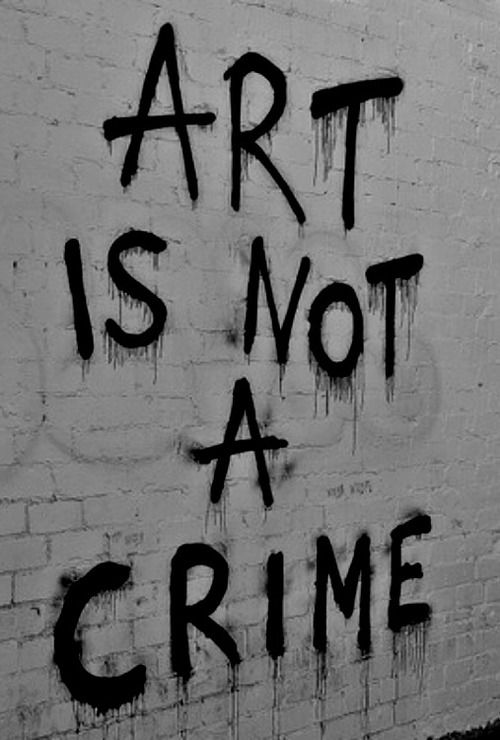
The legality of spray painting walls remains a contentious issue. In many places, graffiti and street art are considered vandalism, punishable by law. However, some cities have implemented buffer zones or designated "graffiti walls" to encourage artistic expression within boundaries.
Regardless of its legal status, spray painted walls have undeniably influenced popular culture. From music album covers and movie posters to high-end fashion campaigns, street art has seeped into the mainstream, breaking down barriers and challenging societal norms.
Famous Spray Painted Walls and Artists
The Berlin Wall, once a symbol of division, is now a testament to the power of spray painted walls, transformed into a global icon of hope and freedom. Other renowned works include the Wynwood Walls in Miami, a mecca for street art enthusiasts, and the New York City Subway system, home to iconic pieces by artists like Dondi and Lady Pink.


Jean-Michel Basquiat, Banksy, and Shepard Fairey are among the most famous street artists. Their work, which began as spray painted walls, now commands multi-million dollar auction prices, illustrating the value and impact of this artistic movement.
As cities continue to evolve and societal norms shift, so too will the landscape of spray painted walls. Whether reflected in bylaws, public opinion, or artistic innovation, one thing is clear: spray painted walls, with their rich history and enduring appeal, are here to stay, forever capturing our collective imagination and inspiring future generations.
Related Articles

Sheetrock Spray Texture for Walls & Ceilings: Easy & Fast DIY!
Look no further if you're wondering about the best ways to add style and texture to your sheetrock walls and ceilings. Spray texture is a surefire way to...

Cozy Oasis Cottage Wall Design Ideas
Nestled amidst the verdant landscape, the Oasis Cottage Wall stands as a testament to architectural creativity and sustainable living. This innovative...

Two-Tone Painted Kitchen Cabinet Ideas
In the realm of interior design, kitchen cabinets are often the focal point, setting the tone for the entire space. One trend that has been gaining traction is...

Stunning Painted Pine Cone Wreath Ideas
Embrace the rustic charm of nature's own jewelry with a painted pine cone wreath, a delightful and eco-friendly craft that's perfect for every season. These...

Spray Paint Bonding: Stop Your Pieces From Sticking Together
Ever found that your spray painted masterpieces have adhered to each other, ruining your artwork? This frustrating phenomenon, often experienced by both...

Removing Command Adhesive from Painted Walls: Step-by-Step Guide
Tackling minor DIY projects can be incredibly satisfying, but sometimes they come with unexpected challenges. Like figuring out how to remove command adhesive...