Elevated Garden: Raised Vegetable Beds on Legs
Elevate your gardening experience and reap the benefits of efficient space utilization with raised vegetable beds on legs. These elevated garden beds, supported by sturdy legs, offer more than just an aesthetic upgrade; they provide a controlled environment that fosters healthier plants and makes gardening more accessible.
The trend towards vertical and space-efficient gardening has gained momentum in recent years, with raised vegetable beds on legs emerging as a popular choice among backyard farmers, urban gardeners, and hobbyists alike. But what sets these elevated beds apart, and why should you consider investing in them?
Key Advantages of Raised Vegetable Beds on Legs
Raised garden beds, when supported by legs, offer a multitude of advantages that cater to both novice and experienced gardeners.


**Improved Drainage and Soil Control:** By elevating your garden beds, you can control the soil composition and prevent waterlogging. This leads to healthier roots and improved plant growth. Legs also allow for better air circulation, keeping the soil aerated and well-draining.
Enhanced Accessibility
Legs elevate your garden beds, making it easier to tend to your plants without frequent bending or kneeling. This accessibility is particularly beneficial for seniors, individuals with mobility challenges, or those with back issues.


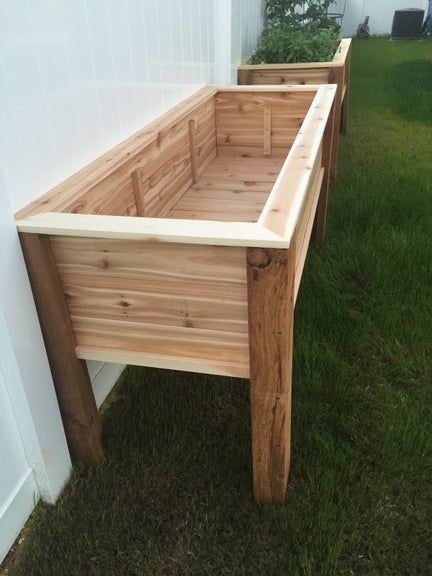
**Vermin and Pest Control:** Raised beds on legs help deter unwanted pests and vermin by creating a physical barrier. The elevation keeps slugs, rodents, and other critters away from your plants, reducing the risk of damage and disease.
Maximized Space Utilization
Raised vegetable beds on legs allow you to grow more produce in less space. By stacking beds or fitting them into awkward corners, you can create a lush, productive garden in even the smallest of yards. Plus, their modular design makes them easy to reconfigure as your planting needs change.
Legs also provide additional storage space. Create a hidden compartment under your elevated beds to store gardening tools, pots, or other gardening essentials, keeping your workspace organized and clutter-free.


Types of Raised Vegetable Beds on Legs
Raised garden beds come in various designs and materials, catering to different gardening needs, aesthetics, and budgets.
**Wooden Raised Beds:** Classic and timeless, wooden raised beds offer a rustic charm and are typically constructed using materials like cedar, redwood, or composite wood. They provide ample space for roots and can be easily staining or painting to match your garden's aesthetics.
Metal Raised Beds
Metal raised beds, usually made from galvanized steel or aluminum, offer durability and low maintenance. They can be densely planted and are perfect for growing vegetables with shallow root systems. Plus, their modern design aesthetic makes them an attractive choice for contemporary gardens.


**Plastic Raised Beds:** Affordable and lightweight, plastic raised beds are an excellent choice for gardeners on a budget or those who frequently need to relocate their beds. They are also easy to clean and come in various sizes and shapes.
Composite Raised Beds
Composite raised beds, made from a combination of plastic and recycled wood fibers, offer the durability of plastic with the natural look of wood. They are low maintenance, resistant to pests, and fade-resistant, ensuring they'll maintain their appearance over time.
Embrace the convenience, versatility, and sheer joy of growing your own produce with raised vegetable beds on legs. By investing in an elevated garden bed, you're not just planting a garden; you're cultivating a healthier, more enjoyable, and more productive gardening experience.
Begin your journey towards a thriving elevated garden today. Research various designs, materials, and size options to find the raised vegetable bed on legs that best suits your gardening needs and complements your outdoor space. Happy gardening!
Related Articles

Best Materials for Raised Garden Beds: Enhance Crop Yield & Longevity
When it comes to creating raised garden beds, the material you choose can greatly impact your plants' health, your gardening experience, and the longevity of...
Best Materials for Raised Garden Beds: Opera singer
When it comes to creating raised garden beds, the choice of material is pivotal for the health and longevity of your plants. The best materials not only...

Treated Lumber for Raised Garden Beds
When it comes to creating raised garden beds, selecting the right material is crucial. One popular and eco-friendly choice is treated lumber. Not only does it...
Why Raised Beds: The Ultimate Guide
Discovering the charm of raised beds in gardening? You're in for a treat! These structured plant beds, elevated off the ground, aren't just a stylish addition...

Enhance Your Raised Beds: The Power of Compost
Composting is a vital practice in enhancing the fertility of your garden soil, and when it comes to raised beds, the benefits are even more pronounced. Compost...

Best Pesticides for Vegetable Gardens: Top Choices
Are you tired of pests wreaking havoc on your hard-earned vegetable garden? You're not alone. But there's a solution: the best pesticide for vegetable gardens...