Chicken Ounces Guide: Perfect Portions Every Time
In the realm of cooking, measurements are vital. When it comes to chicken, ounces can be a bewildering concept. Weighing chicken in ounces can be more precise than using cups or pieces, especially when following recipes or tracking nutrients. But how do you convert ounces to pounds, and what does a certain weight of chicken really mean?
Let's dive into the world of ounces of chicken, exploring its significance, conversion tips, and common weights for various cuts.
Understanding Ounces of Chicken
An ounce, a unit of weight in the imperial system, is roughly equal to 28.35 grams. When measuring chicken, the weight can significantly impact cooking time, taste, and texture.


Different chicken cuts require distinct cooking times and methods. Knowing the weight in ounces allows for accurate preparation, ensuring a juicy chicken breast or tender thighs.
Converting Ounces to Pounds
Since there are 16 ounces in a pound, converting between the two is straightforward. To find the weight in pounds, divide the ounces by 16. For instance, 32 ounces of chicken converts to 2 pounds.


Here's a simple chart for quick reference:
- 16 ounces = 1 pound
- 32 ounces = 2 pounds
- 48 ounces = 3 pounds
- 64 ounces = 4 pounds
Common Chicken Cuts and Their Weight
Different cuts of chicken offer unique culinary experiences. Here are some common cuts and their average weights per serving:
- Chicken breast (boneless, skinless): 4-6 ounces
- Chicken thigh (boneless, skinless): 4-5 ounces
- Chicken drumstick: 3-4 ounces
- Chicken wing: 2-3 ounces
- Chicken tender: 1-2 ounces (typically sold in packs of 8-12)
Ounces in Chicken Recipes
Recipes often specify the weight of chicken to ensure consistent results. For instance, a recipe might call for 1.5 pounds of boneless, skinless chicken breasts. To follow this, you'll need about 24 ounces of chicken.


Remember, ounces of chicken can also indicate the serving size. A typical serving is around 4 ounces, providing approximately 35 grams of protein.
How Weight Affects Cooking Time
The weight of chicken impacts cooking time significantly. Larger pieces require more time to cook through and achieve the desired level of doneness. For example, a 6-ounce chicken breast may take 20-30 minutes at 375°F (190°C), while a 12-ounce piece could take twice as long.
Always use a meat thermometer to ensure food safety. The USDA recommends cooking chicken to an internal temperature of 165°F (74°C).


Trimming and Preparation Tips
Before cooking, trim excess fat and remove bones (if necessary). This not only reduces calorie content but also impacts cooking time and taste.
When measuring, consider the chicken's overall weight, not just the meat. Skin and bones add extra ounces, which can affect cooking time and overall yield.
Embracing ounces when cooking chicken allows for precision and improved results. Whether you're following recipes or measuring for nutritional purposes, understanding ounces of chicken is a valuable skill in the kitchen.
Related Articles
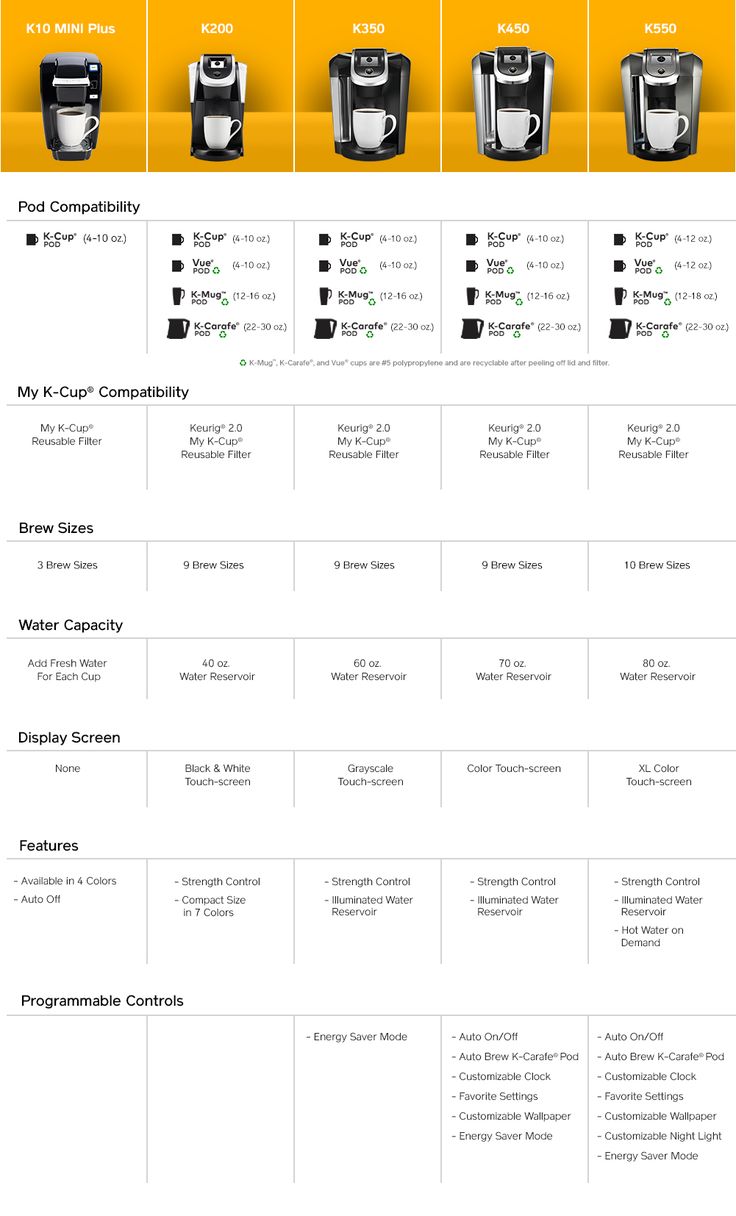
Keurig 2 Cup Sizes: Brew Perfect Portions Every Time
The ever-growing world of specialty coffee has brought about a myriad of innovations, one of the most notable being the Keurig coffee maker. This countertop...

Aroma Rice Cooker: Perfect Rice Ratio Every Time
Ever found yourself in a contemplative stance over the ideal water-to-rice ratio for your aroma rice cooker? You're not alone. Experiencing the perfect balance...

Camp Chef Pizza Pan: Perfect Pies Every Time
The Camp Chef Pizza Oven provides a delicious culinary experience on your patio, and a critical component of this experience is the Camp Chef Pizza Pan. This...

Regal Bread Maker: Perfect Loaves Every Time
Tucked away in the heart of every home lies a culinary wonder, a device that whirls and twirls, kneads and bakes, to deliver the warm, golden loaves we...

Effective Color Match Wax: Perfect Shade Every Time
Color match wax, a versatile product in the car care and detailing industry, has gained significant popularity among enthusiasts and professionals alike. This...

"Determine Perfect Portions: Serving Size Cereal Guide"
Starting your day with a hearty bowl of cereal can be a delicious and nutritious way to fuel up, but how much should you be serving yourself? Known as serving...