Solving Sudden Litter box Avoidance in Senior Cats: Understanding Why Older Cats Urinate Outside the Box
Has your once-litter-trained feline started avoiding the box and urinating elsewhere? You're not alone. It's a common issue and can be quite distressing for both you and your cat. Let's delve into the reasons behind this behavior and how you can address it.
Before we explore solutions, it's crucial to understand that this isn't a sign of vengeance or spite. Cats lack the emotional capacity for these feelings. Instead, they're trying to communicate a need or discomfort to you.
Understanding the Root Causes
Unraveling the reason behind your cat's behavior is the first step towards resolving the issue. Let's explore some common causes.


Some cats may start avoiding the litter box due to health issues. Urinary tract infections, kidney stones, or other medical conditions can cause discomfort and pain when using the box. Age-related mobility issues could also be a factor in older cats.
Medical Conditions
If your cat suddenly starts urinating outside the box, especially if they're straining or crying in pain, it's crucial to rule out medical issues. A vet can perform tests to diagnose any underlying conditions.
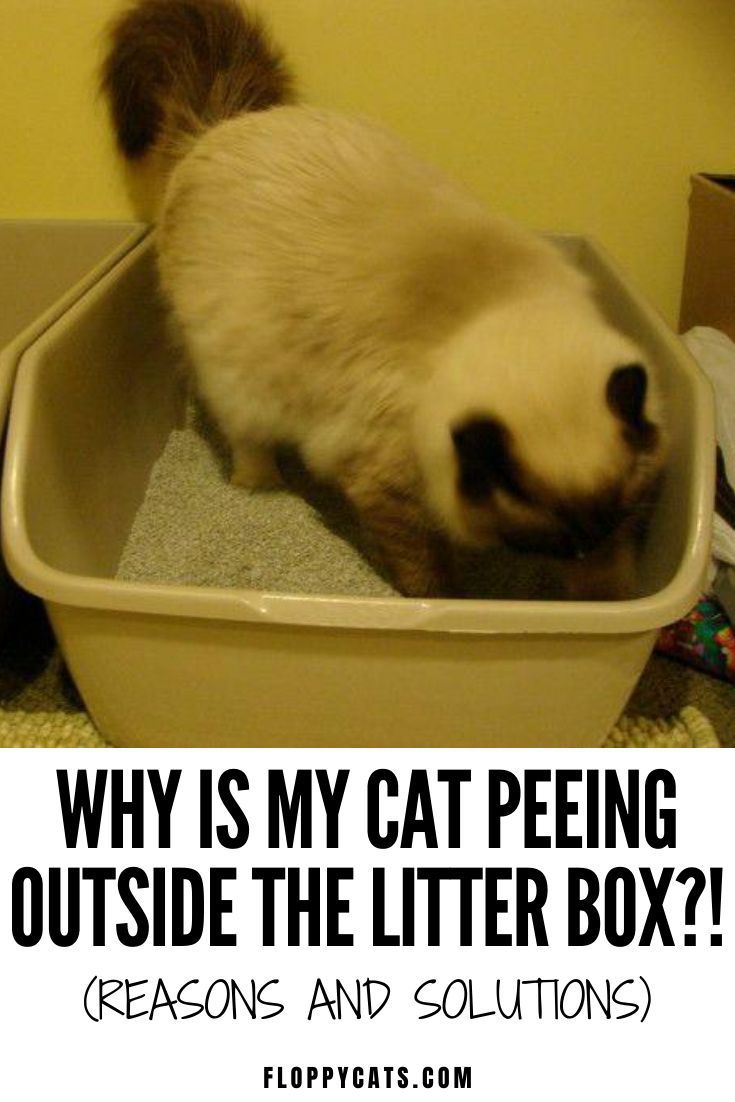


Some cats might have a sensitive nose and dislike the smell of certain litters. Others may find the box too small or high to comfortable use it. Cat's prefer their litter box to be about 1.5 times their length and 1.5 times their width for easy access and space to move around.
Environmental Factors
Changes in the household, such as a new pet or human, can cause stress and lead to unwanted behaviors. A sudden change in the litter box, like a different type of litter or frequent cleaning, can also disrupt your cat's routine.
Multi-cat households may experience territorial behavior, with cats marking their territory by urinating outside the box. In such cases, ensure each cat has its own litter box, preferably one per cat plus one extra to prevent conflicts.


Setting Up the Ideal Litter Box
Creating a pleasant and convenient litter box environment can encourage your cat to use it. Here are some tips to make your cat's bathroom a place they'd want to use.
Cats prefer their litter boxes to be low-dish with high sides. This design provides easy access and helps contain the litter. Also, consider the depth of the litter. Most cats prefer a depth of about 2-3 inches for easy covering and less tracking.
Type of Litter
Choose a litter that's light and easy to scoop. A fine-grain litter tends to be more pleasant for cats to burrow in, while others prefer a moreézclay-like texture. Some cats may be sensitive to fragrances, so opt for unscented litters or those with a mild, natural scent.


For multi-cat households, consider investing in self-cleaning litter boxes or automatic litter robots. These can help maintain a clean and appealing environment for all cats, reducing the likelihood of territorial disputes.
Cleanliness and Maintenance
Cats are clean animals and prefer their bathroom to be spotless. Scoop waste daily and clean the entire box weekly with mild soap and warm water. Avoid using harsh chemicals as the smell can deter your cat.
If your cat has started urinating outside the box, try gradually re-introducing them to the litter box. Place them in the box after meals when they naturally go, and reward them with praise or treats when they use it correctly. This can help reinforce the desired behavior.
When to Consult a Professional
If you've tried all troubleshooting steps and your cat persists in urinating outside the box, it's time to consult a vet or a certified animal behaviorist. They can provide personalized advice and strategies based on your cat's unique needs.
In some cases, Sahin-Us Paluster (for urinating outside the box in cats) or pheromone diffusers like Feliway can help reduce stress and promote litter box use. However, these are supplements to training and environmental changes, not replacements.
Remember, old cats may need more frequent and thoughtful litter box care to accommodate age-related mobility issues and sensory changes. With patience and the right strategies, you can help your senior cat comfortably transition back to using the litter box.
Related Articles

"The Chuckle Factor: Hilarious Songs for Older Adults"
Laughing is one of life's simple pleasures, and music is a powerful tool to evoke joy and laughter. For senior citizens, engaging with funny songs can be a...

Male Cats & Litter Box Overflow: Tips to Stop the Dribbles
Owners of male cats may often face an intriguing and somewhat perplexing behavior: their feline friend peeing over the edge of the litter box. This can leave...

Current Outside Temperature in Celsius
The temperature outside, often expressed in Celsius, is a crucial factor in our daily lives. From planning our attire to estimating weather conditions...

Parlor Palm Toxic to Cats
The charming Parlor Palm, Chamaedorea elegans , is a darling of the houseplant world, beloved for its lush, green appearance and space-saving size. However...

Is Maidenhair Fern Toxic to Cats?
As a responsible pet parent, you're likely wondering, "Is maidenhair fern toxic to cats?" Before we delve into the greenery, let's first understand why this...

"Perfectly Enclosed: Van Ness Sifting Cat Litter Pan
Looking for an efficient and tidy way to manage your cat's litter? A Van Ness sifting enclosed cat litter pan might just be the solution you've been seeking...