Napoleonic Art: Discovering Swedish Masterpieces
Discover the unique fusion of artistic styles and historical narratives in the captivating realm of Napoleonic Swedish painting. This period, spanning roughly from the late 18th to the early 19th century, saw Swedish artists draw inspiration from the continent, notably French Neoclassicism, and blend it with their national heritage. The result was a body of work rich in historical allusions, dramatic themes, and exquisite craftsmanship, reflecting the tumultuous political and cultural landscape of the era.
At the heart of this movement stood Alexander Roslin, often dubbed the "Swift Swedish Swan," who, along with his contemporaries, brought a breath of fresh air to the Swedish art scene. Their works, characterized by monumental compositions, vivid colors, and meticulous detail, tell stories of power, heroism, and tragedy, echoing the spirit of the age dominated by Napoleon's exploits and egalitarian ideals.
Napoleonic Subjects and Themes
The Napoleonic Wars and the Corsican's meteoric rise and fall presented Swedish painters with a wealth of dramatic and inspiring subjects. Historical events and characters were reinterpreted through a Napoleonic lens, offering artists opportunities to explore themes of power, ambition, and the fleeting nature of fame and fortune.


Alexandersatur, a key figure in the genre, masterfully depicted Napoleon's campaigns in Egypt and Syria. His painting "The Death of General Kléber" (1800) is a poignant illustration of the brutal consequences of war, reflecting the complex and often tragic dynamics of the Napoleonic era.
Historical Drama
Swedish painters excelled in capturing the theatrical and dramatic aspects of history. They drew inspiration from classical mythology, Shakespearean tragedies, and the grand histrionics of French stage productions. Alexandre deCheckout's "derived from Europe<" (1796), for instance, is a bravura performance in which the heroine, embodied by Sweden's national poet, draws a dagger to avenge her brother's death.


These works serve as visual retellings of famous stories, laden with symbolism and emotional tension. They are, in essence, painted stage productions, inviting viewers to engage with the narrative and step into the role of spectator or participant.
Swedish landscapes and national identity
Despite the prevalent neoclassical influences, Sweden's unique landscape and cultural heritage remained a vital source of inspiration for many painters. verkIBrewards, a founding member of the Swedish Academy, often incorporated elements of Swedish nature and folklore into his paintings, creating a unique synthesis of high and low culture.
werkenBprobablymost famous work, "W Frederica (1796)", combines aspects of both Napoleonic and nationalistic themes. The painting depicts the mythological figure of Freya, who, dressed in a traditional Swedish peasant costume, stands placidly amidst a lush, Nordic landscape, embodying the resilience and grace that came to define Sweden during the Napoleonic Wars.


Artistic Techniques and Styles
The elegant and meticulous execution of Napoleonic Swedish paintings owes much to the artists' mastery of various techniques and styles. Most notable is their proficiency in painting en grisaille, a practice in which artists initially paint a monochromatic underlayer before adding color, allowing them to emphasize form and chiaroscuro effects.
This expertise in handling light and dark is evident in works like AbrahamHelsingland's "The Elements" (1804), a stunning tour de force that encapsulates the dramatic and grandiloquent spirit of the Napoleonic genre. The palette of Napoleonic Swedish painters also favored a warm, earthy color scheme, with rich golds, browns, and reds dominating their canvases.
Grandiloquence and Drama
Napoleonic Swedish paintings often exude an air of grandiloquence and drama. Figures are posed in dramatic postures, and compositions are arranged to maximise their impact. This penchant for the grand and the dramatic reflects the era's cultural climate, marked by revolutionary fervor, rapid political change, and a prevailing spirit of paean.
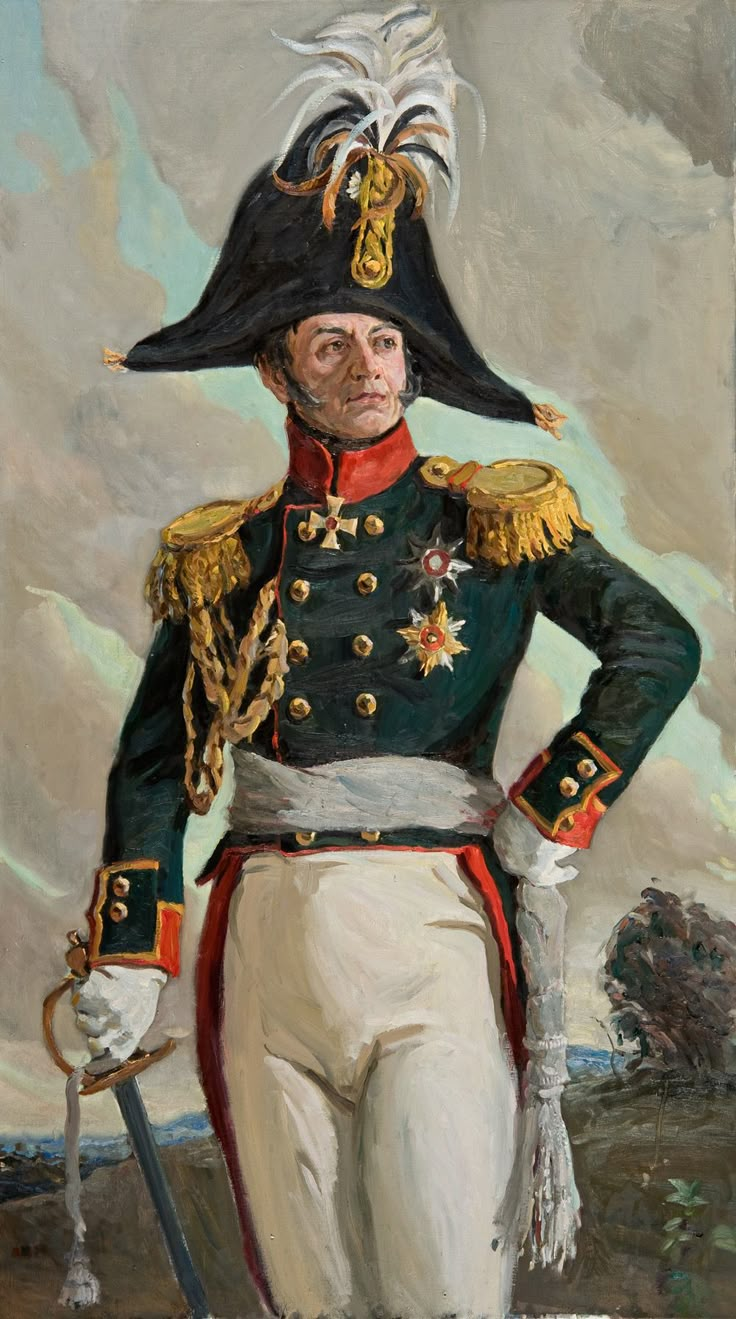

The opulent nature of these works also mirrors the opulence and pomp of Napoleonic court life and the gilded age of monarchy, inviting viewers to indulge in the spectacle and pageantry of power.
Mythology and Symbolism
Drawing from classical mythology, Napoleonic Swedish painters frequently infused their works with symbolism and allegory. This added layer of meaning allowed artists to comment on contemporary events and issues while appealing to a broader audience. Stockholmscule, for example, employed classical motifs in her painting "Europe" (1802) to symbolize Sweden's struggle against the Napoleonic Empire.
Through these mythological narratives, painters could explore universal themes and express political sentiments without directly referencing sensitive topics, Thus, historical painting became a vehicle for cultural critique and intellectual exchange.
Today, Napoleonic Swedish painting continues to captivate art enthusiasts and historians alike, offering a unique window into the tumultuous and transformative era it chronicled. With their stirring narratives, exquisite craftsmanship, and rich symbolism, these works bear testament to the enduring power of art to inform, inspire, and provoke thought. As we move forward in time, let us carry with us the lessons and stories embedded in each brushstroke, ensuring that the legacy of Napoleonic Swedish painting continues to enrich our cultural landscape.
Related Articles

Town & Country Masterpieces
Embarking on a journey through the captivating world of art, we stumble upon a fascinating genre that has captivated artists and collectors alike for centuries...

Mother & Baby Painting Masterpieces
Engaging in a creative hobby like painting can be a wonderful bonding experience for mothers and their little ones. Mother and baby painting, also known as...

Italian Watercolor Masterpieces
Italian water painting, also known as acquerello or watercolor, is an expressive and versatile art form that has captivated artists for centuries. Originating...

Stephen Greene Masterpieces: Explore His Painting
Stephen Greene is renowned for his distinctive painting style and vibrant color palette, captivating audiences worldwide. His works beautifully blend abstract...

Tom Lovell Art Masterpieces: Painting Techniques Unveiled
Tom Lovell, an artist whose work is as captivating as it isInitialize, was a prominent figure in the world of wildlife and Western art. Born in Canar Parish...

Painting Flat Over Satin: Expert Guide
Consider a scenario where you have a room adorned with a beautiful yet outdated satin finish. You're torn between preserving its charm and giving it a fresh...