Mid-Century Shelving: Vintage Style for Modern Spaces
Mid-century modern shelving, a staple of the iconic design movement that flourished in the 1950s and '60s, has seen a resurgence in popularity in recent years. Characterized by clean lines, geometric shapes, and a emphasis on functionality, these timeless pieces of furniture bring a unique blend of retro charm and modern practicality to contemporary interiors. Let's delve into the world of mid-century shelving, exploring its origins, distinctive features, and practical applications in today's homes.
Born out of the post-war optimism and economic boom, mid-century modern design was influenced by a belief in progress, innovation, and the potential of new materials like plywood and plastic. Architects and designers like Charles and Ray Eames, Arne Jacobsen, and George Nelson led this charge, creating furniture that was not only visually appealing but also efficient and user-friendly. Shelving was a key aspect of this holistic approach, with designers creating iconic pieces that maximized storage and displayed objects with pride.
Key Features of Mid-Century Modern Shelving
To understand mid-century shelving, it's crucial to recognize its defining characteristics:


Form Follows Function
At the heart of mid-century design lies the principle of "form follows function." Each piece of shelving was designed with a specific purpose in mind, such as displaying books, artwork, or decorative objects. The resulting designs reflected their intended use, with uncluttered lines, intuitive organization, and an emphasis on openness and lightness.
For instance, the ubiquitous wall-mounted shelf units, like the "Elite" bookcase by Paul McCobb, emphasized vertical storage to make the most of limited floor space in post-war city apartments.


Material Selection and Craftsmanship
Mid-century designers embraced new materials and manufacturing techniques, favoring plywood, laminate, chrome, and plastic. These materials were economical, durable, and allowed for complex, sculptural shapes. Plywood, in particular, was celebrated for its strength and versatility, enabling the creation of elegant, curve-nested designs like those by Charles Eames.
The craftsmanship of mid-century shelving was often indistinguishable from that of higher-end furniture, with attention to detail, precision joinery, and high-quality finishes. This commitment to quality ensured the longevity of these pieces, which now serve as both vintage finds and inspired reissues.
Incorporating Mid-Century Shelving into Contemporary Homes
Today's homeowners have rediscovered the appeal of mid-century modern shelving, drawn to its aesthetic versatility and practical advantages. Whether you're aiming for a period-accurate reproduction or a modern take on classic design, there are countless ways to integrate mid-century shelving into your space.

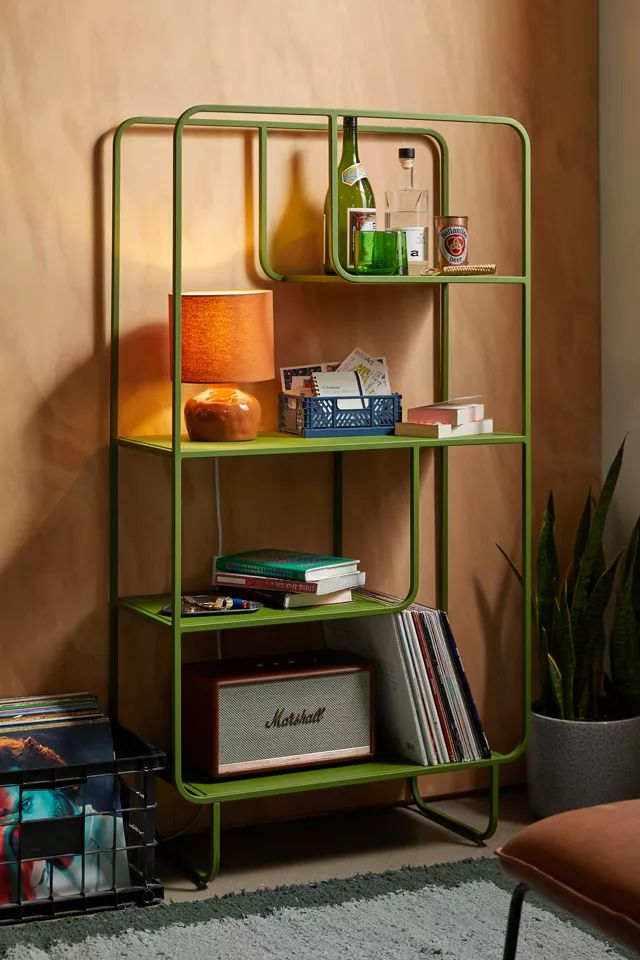


Material Mixing and Matching
Creating a cohesive, eclectic look is easier than ever, thanks to the abundance of mid-century-inspired shelving units available in various materials. Pair a wooden wall unit with metal bookcases, or mix natural wood tones with painted or lacquered finishes. The key is to maintain a consistent design language, such as clean lines and geometric shapes, to tie the look together.
For example, a natural wood credenza could anchor a living room while open, metal wire shelving provides an ideal solution for displaying books and art in a home office.
Curating Your Collection
Mid-century shelving was designed to showcase prized possessions, so don't be afraid to display meaningful items alongside everyday objects. Group similar items together – such as art, books, or plants – to create visual harmony. Use shelving to frame other architectural elements, like a window or fireplace, or to divide spaces, like an open-plan living room and dining area.


Don't be afraid to inject personal touches, too. Make the most of open shelving units by incorporating baskets, trays, and boxes to hide clutter and add texture. Lighting, whether Task lamps or pendant fixtures, can also make or break a shelving display, so consider both form and function when choosing accessories.
Ultimately, the enduring appeal of mid-century modern shelving lies in its ability to combine timeless design principles with practical functionality. By embracing the form- follows-function ethos and selecting pieces that complement your personal taste and storage needs, you can create a truly unique, vintage-inspired space that'll stand the test of time.
Related Articles

Mid-Century Modern Cabinet: Timeless Design, Vintage Style
Embarking on a journey through the past, the mid-century cabinet presents a fascinating glimpse into the design evolution of the 1940s and 1950s. This iconic...

Mid-Century Coffee Table and Beyond: Vintage Style for Modern Homes
In the vast and ever-evolving world of interior design, there are always periods that stand out for their unique aesthetic. One such era is the mid-century...

Mid-Century Modern Lamps: Vintage Gems for Retro Style
Immerse yourself in the charm and nostalgia of the mid-century era with the captivating world of mid-century lamps. These iconic lighting fixtures are not just...

Mid-Century Modern Desk Lamps: Illuminate Your Space in Style
The mid-century modern era, spanning from the mid-1930s to the late 1960s, was marked by a unique blend of function, simplicity, and beauty. This period saw...

Mid-Century Modern Bench: Vintage Design meets Comfort
Step back in time to the mid 20th century, an era renowned for its signature blend of elegance and functionality, and you'll find a staple piece of furniture...

Mid-Century Modern Dining Chairs: Timeless Style, Comfort, and Function
When it comes to timeless furniture design, few eras can match the sophistication and utility offered by mid-century modern dining chairs. This iconic style...