Mid Century Modern Storage: Maximize Space in Style
In the enchanting realm of mid-century modern design, storage solutions often seem to be an afterthought, overshadowed by the iconic, sculptural statements of the era. However, a closer look reveals a rich tapestry of ingeniously designed, multi-functional pieces that blend seamlessly with the aesthetic, providing ample space for all your belongings without compromising the clean, uncluttered lines that define this timeless style.
Mid-century modern/storage enthusiasts understand that the key is inmastering the art of 'less is more'. By embracing modular, space-efficient designs and embracing built-ins, you can maintain the harmony of your space while keeping clutter at bay. So, let's delve into the captivating world of mid-century modern storage, exploring its defining features, iconic pieces, and practical solutions for the modern home.
Defining Features of Mid-Century Modern Storage
Mid-century modern storage is characterized by a harmonious blend of form and function, with sleek lines, simple materials, and a focus on practicality. Here are two key aspects that set this style apart:
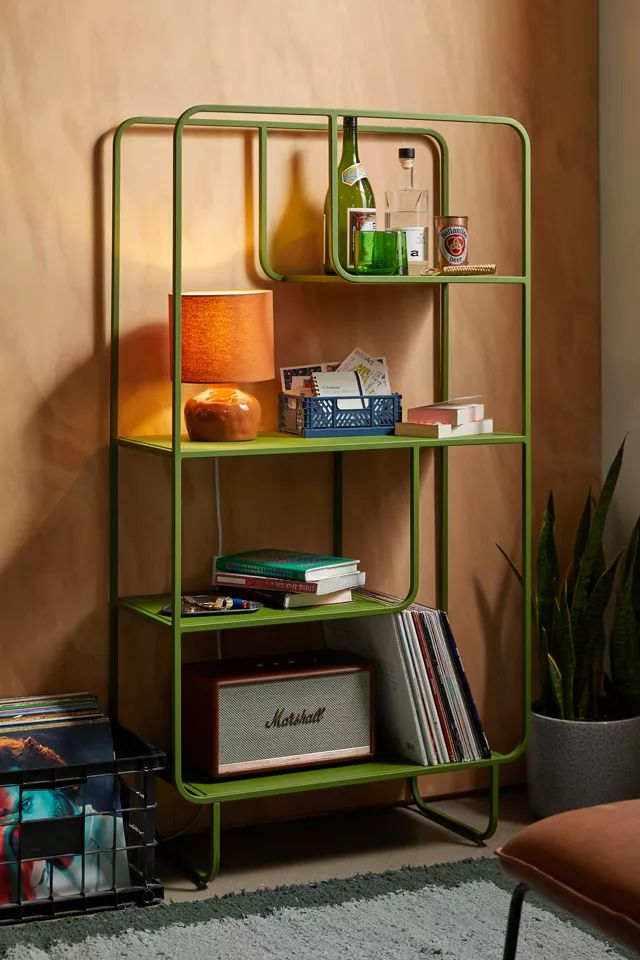


Modularity and Flexibility - storage pieces are often designed to be adaptable, with adjustable shelves, modular units, and convertible furniture that can be reconfigured to suit different spaces and needs.
Wall-Unit Bookcases
Fairly new to the scene during the mid-century era, wall-unit bookcases became staples in this design language. Their ability to maximize floor space and create visual interest, combined with their modular components, makes them the epitome of flexible storage.


Take, for instance, the influence of the Japanese 'tansu' chests, which inspired many mid-century wall units. These pieces often featured slide-out shelves, hidden cabinets, and adjustable dividers, offering customizable storage for everything from LPs to glassware.
Expandable and Convertible Furniture
Designers of the era embraced innovative mechanisms that allowed furniture to transform and expand as needed. For example, the 'Murphy Bed' or wall bed became popular for small spaces, while IKEA's-like explorer series utilized knockdown construction and flat-pack shipping to accommodate diverse storage requirements.
Moreover, convertible seating like the iconic 'Slinky' sofa by Tom’hum required no tools to adjust between various configurations, making it a perfect blend of modularity and comfort.


Integration and Multipurpose Design - storage solutions were integrated into the overall design of the space, often serving double or triple duty as room dividers, structural elements, or display units.
Built-Ins
Cleverly designed built-ins not only streamlined living spaces but also integrated functionality into the architecture itself. Hallway credenzas morphed into entryway sitting and shoe-removal areas; kitchen cabinetry extended to include breakfast bars or additional seating; and living room sideboards doubled as display shelves for precious trinkets and family photos.
While these integrations served practical purposes, they also enhanced the spatial flow and aesthetic appeal, creating a seamless, harmonious environment.
Multifunctional Pieces
Many mid-century storage solutions were designed to pull double or triple duty. Consider the 'Storage Coffee Table' by Eero Saarinen - its large, top-opening compartment kept kids' toys and games out of sight, while the lower shelves stored books and magazines. Meanwhile, Isamu Noguchi's iconic 'Coffee Table - Model 3482' featured a hidden, lift-top compartment tucked beneath the unsaturated top surface.
In conclusion, by embracing these defining features and cherry-picking authentic or replica pieces, homeowners can recreatethe mid-century modern look while maintaining a well-organized, clutter-free home. So, dive headfirst into this time capsule of design and let the joy of mid-century modern living consume you - one stylish, storage-smart piece at a time.
Related Articles

Mid-Century Modern Desk Lamps: Illuminate Your Space in Style
The mid-century modern era, spanning from the mid-1930s to the late 1960s, was marked by a unique blend of function, simplicity, and beauty. This period saw...

Intersecting Cube Shelves: Maximize Space with Style
In the realm of modern interior design, modular storage solutions have taken center stage, with intersecting cube shelves emerging as a standout favorite...

Maximize Space: heights-torrent of storage in tall loft bed
Considering the growing demand for maximizing space in urban living and modern homes, the tall loft bed has emerged as an innovative and practical solution...

Maximize Style & Space: Perfect Round Bathroom Mirrors
Revitalize your bathroom space with a touch of sophistication and style by incorporating round bathroom mirrors. These mirrors, once an uncommon sight, have...

Long Entryway Bench: Maximize Space & Style
A long entryway bench is not just a piece of furniture; it's an invitation to linger, a chance to catch your breath, aaints afoot, a humble sentinel in your...

Wall Units with Doors: Maximize Space & Style
Renovating your living space? Consider wall units with doors - a multifunctional and stylish addition that offers ample storage while seamlessly blending with...