Land Contract Pros and Cons: Weigh Your Options
A land contract, also known as a contract for deed or installment land contract, offers an alternative path to homeownership, especially for those with unique financial situations or who can't qualify for traditional mortgages. But like any other financial agreement, it comes with its own set of advantages and disadvantages. Let's delve into the pros and cons of land contracts to help you make an informed decision.
Firstly, it's crucial to understand that a land contract is a legal agreement between a buyer and a seller, where the buyer makes a down payment and agrees to make installment payments over time. The sellers agree to transfer the title once the final payment is made. Now, let's explore the potential benefits and drawbacks of this arrangement.
Advantages of Land Contracts
One of the primary advantages is that it allows buyers to purchase a home with little to no money down. This is particularly appealing to first-time homebuyers, self-employed individuals, or those with low credit scores who may struggle to qualify for traditional loans. Additionally, the process is faster and less bureaucratic than a traditional mortgage, as it doesn't involve banks or third-party lenders.


A land contract also provides flexibility. The agreement can be tailored to suit both parties needs. For instance, it can be structured with a balloon payment at the end, allowing the buyer to refinance into a traditional mortgage once they've improved their credit score. This can be a boon for buyers who plan to stay in the property but need time to build their credit.
Beneficial for Sellers Too
Land contracts can also be a win for sellers, especially in hot markets where demand is high, but inventory is low. By selling with a land contract, sellers can circumvent the constraints of traditional sales methods. They can receive a larger down payment and hold onto the title, or the property's equity, for a longer period.


Moreover, it opens up the pool of potential buyers. Sellers may attract buyers who would typically be overlooked by traditional financing options, thus increasing the seller's market. Plus, there's no home inspection or appraisal required in most land contract agreements, potentially speeding up the process.
Potential Tax Benefits
Lastly, land contracts can provide tax benefits for both parties. For buyers, the land contract interest paid can be considered a business expense if they sell the property or take out a new loan. For sellers, they can deduct the interest earned from the buyer's payments as income.
However, as with any financial agreement, the flip side also has its own set of considerations.


Disadvantages of Land Contracts
The main disadvantage lies in the nature of the agreement itself. Because the seller retains the title until the final payment, buyers have no legal claim to the property until the contract is fully satisfied. This means that if the buyer defaults on their payments, they could lose their equity, and potentially the entire property.
Moreover, if the seller defaults on their end of the agreement, for instance, by not releasing the title when the final payment is made, buyers have limited legal recourse. This is because the buyer's name is not on the title, so they have no claim to the property should the seller refuse to cooperate.
Legality and Regulations
Not all states recognize land contracts, and those that do have their own regulations. For example, some states may require a legal description of the property to be included in the contract, while others may have specific timetables for payment and title transfer. It's crucial for both parties to understand their state's specific regulations.


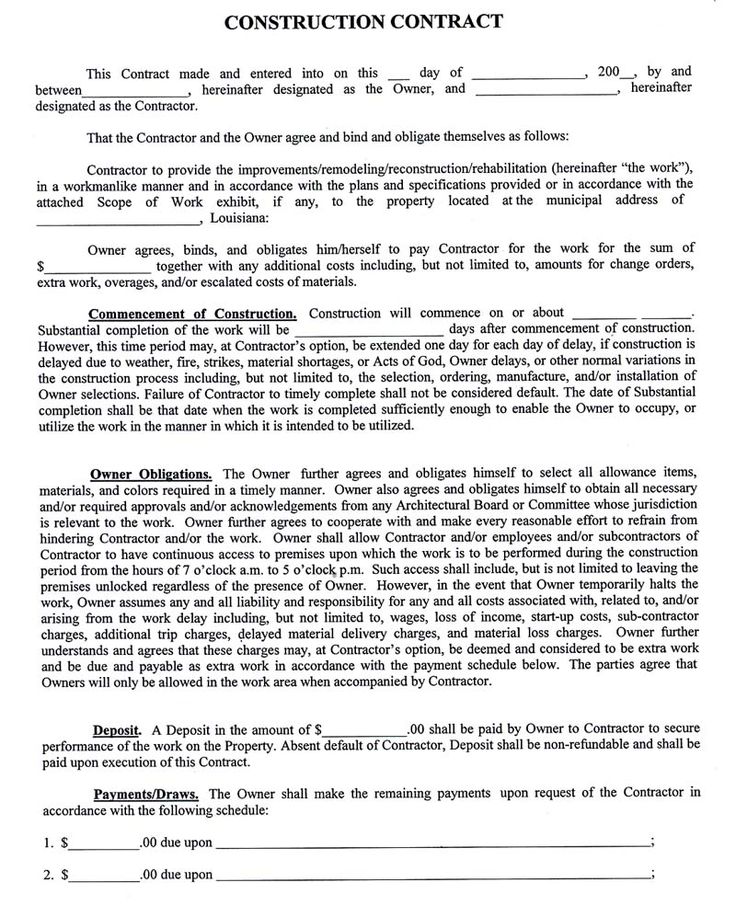
Furthermore, while land contracts can be a useful tool, they should be approached with caution. Both parties should ensure they understand their rights and obligations, and it's often recommended to seek legal advice before entering into such an agreement.
Long-term Costs and Risks
Lastly, while the initial cost of a land contract may be less than a traditional mortgage, buyers need to consider long-term costs. For instance, interest rates on land contracts are often higher than traditional mortgages. Plus, buyers are responsible for all maintenance and repair costs, which can add up over time.
In the final analysis, land contracts can be a valuable tool for both buyers and sellers in specific financial situations. However, they should not be entered into lightly. Both parties must understand the unique risks and should consider seeking professional advice before committing to any agreement.
Related Articles
Land Contract Pros and Cons: Weigh Your Options
When considering alternative financing options for real estate, land contracts, also known as contracts for deed or land installment contracts, often surface...

Pros and Cons of Water Softeners: Weigh Your Options Before You Buy
Embracing the idea of a water softener for your home comes with a unique blend of pros and cons that can significantly impact your daily life and overall...

Berber Carpet Pros and Cons: Weigh the Advantages and Disadvantages
Berber carpets, known for their thick, durable construction and speckled appearance, have a lot to offer, but like any flooring choice, they come with their...
Soft Water: Weigh the Pros and Cons
Soft water, a term coined to describe water with low mineral content, has gained popularity among households and businesses alike due to its perceived...

Black Gum Tree: Pros & Cons
Nyarúmó, scientific name Nyssa sylvatica , more commonly known as the black gum tree, is a native deciduous tree to North America. This tree, revered for its...

Chicken Parmesan Sides: 7 Mouthwatering Options for Your Meal
When it comes to chicken parmesan, the delicious, crispy breaded chicken cutlet smothered in tangy tomato sauce and melted cheese is the star of the show. But...