Ichiban Eggplant Plant Care: Expert Tips for Growing
Discover the culinary star of Japan, the 'ichiban' or number one eggplant, renowned for its unique flavor and texture. This luscious vegetable is a staple in Japanese cuisine and a true work of nature's artistry. Let's dive into the captivating world of the ichiban eggplant.
Originating in China, the ichiban eggplant has traveled the East-Asian Silk Road, finding its way into Japanese markets and kitchens. Today, it stands as a symbol of Japanese produce, beloved for its sweet, savory taste and smooth, seedless flesh.
The Ichiban's Distinctive Features
The ichiban eggplant is distinguished by its slender, cylindrical shape, a striking contrast to its Western counterparts. Ranging from 6 to 12 inches in length, it's smaller and more delicate, boasting a brilliant purple skin that sometimes fades to white at its base.


Its key characteristic, however, is its extraordinary texture. The ichiban's flesh is tender, with fewer seeds and a delightful melt-in-your-mouth consistency, thanks to its low-fiber content. This sets it apart in the eggplant family and makes it a sought-after ingredient in Japanese cooking.
Seedless Wonder
One of the ichiban's hallmarks is its meagre seed count. While regular eggplants can be riddled with seeds, especially as they ripen, the ichiban remains consistently seedless. This attribute makes preparation simpler, and the flesh homogoneously delightful.


comparaed to regular eggplants, the ichiban's lower seed count is due to its genetic deviation, stemmed from selective breeding. This attribute makes it a favorite in Japanese cuisine, from tempura to nasu Dengaku, a grilled eggplant with a glaze of sweet miso sauce.
The Sweet, Savory Taste
Ichiban's other enticing trait is its mild, slightly sweet taste. Unlike Western eggplants, ichiban doesn't have the typical bitterness. This mellow flavor profiles allows it to absorb and complement rather than overpower other ingredients, making it a versatile addition to various dishes.
Ichiban's flavor profile is also influenced by its cooking method. Grilled, stir-fried, or tempura-style, each preparation brings out unique tastes. Its sweet, savory character pairs beautifully with umami-rich ingredients like soy sauce, miso paste, and dashi, making it a perfect fit for Japaneseters.


Cultivation & Care
The ichiban eggplant, solanum melongena, is a warm-season vegetable, loving temperatures between 70-85°F (21-29°C). In Japan, it's often cultivated in summer and autumn, with some regions hosting competitive festivals showcasing prized ichiban varieties.
Cultivation involves managing soil moisture, providing ample sunlight, and protecting tender plants from pests. The ichiban's slender form requires supports as it grows, and while it tolerates partial shade, optimal growth occurs under full sun.
Popular Varieties
Japan is home to many ichiban eggplant varieties, each with unique colors, shapes, and sizes. 'Sukari Nishiki' is a popular pick for its purple-white base and tender flesh. 'Makuwa T harusame' is a skinless variety, prized for its smooth texture and taste. 'Yasaka Kuritage' brings elegance to gardens with its long, slender form.


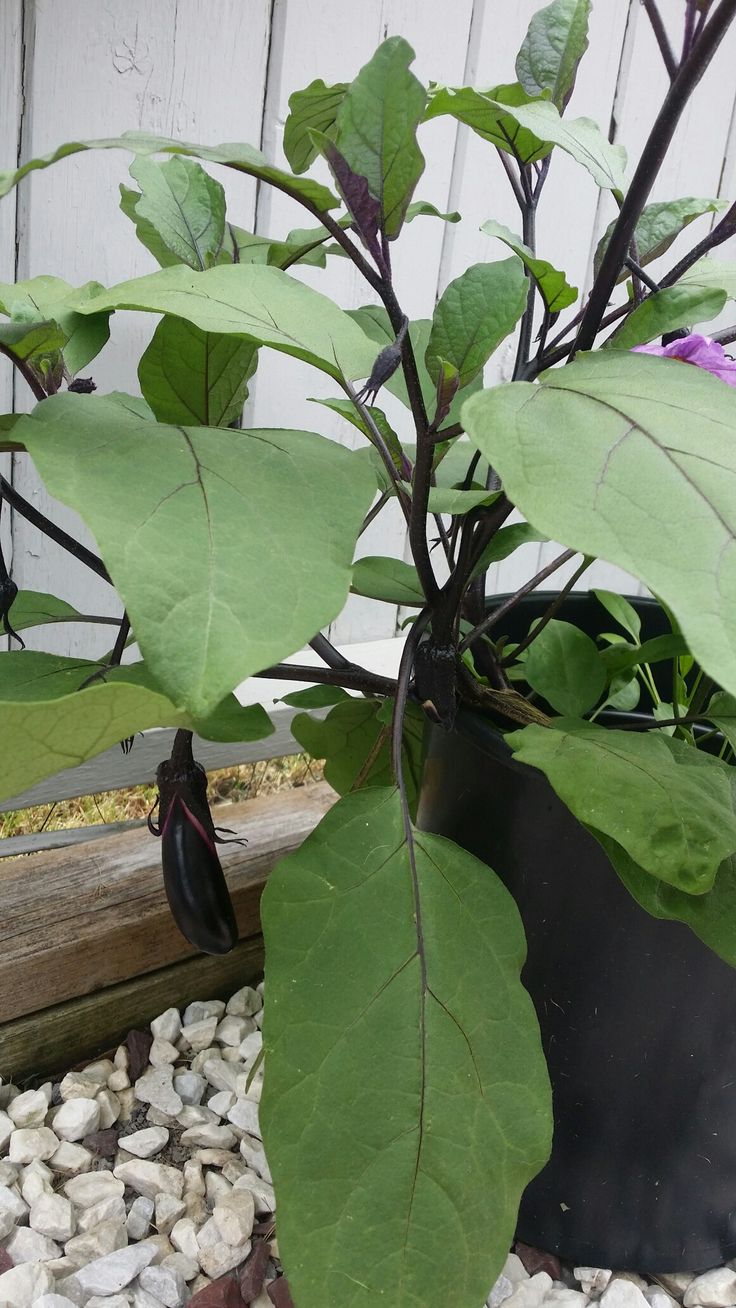
Other varieties include 'Purple Panache' (for its striking color), 'Frankie' (a thornless strain), 'Macaba Special' (for early season production), and 'Little Fingers' ( Miniature, convenient size for container gardens).
From its unique features to its incredible versatility in Japanese cuisine, the ichiban eggplant stands as a testament to Japan's culinary heritage. With this knowledge, you're equipped to appreciate and enjoy this remarkable vegetable. So, why not experience the ichiban wonder for yourself? Visit your local market, pick some up, and let the journey of Japanese culinary delight begin!
Related Articles

Red Leaf Plant Care: Tips for Growing Beautiful Crimson Leaves
Discover the captivating allure of the red leaf plant, a vibrant beauty that's not just pleasing to the eye but also packs a punch of health benefits. Also...

Green Chile Plant Care: Tips and Secrets for Growing Success
The green chile plant, a vibrant addition to the nightshade family, has captivated gardeners and culinary enthusiasts alike with its festive appearance and...

False Sunflower Plant Care: Tips for Healthy Growing
Nestled among the vast array of sunflowers is a captivating imposter, the false sunflower plant, a fascinating interloper in the pantheon of sunflower species...

Pink Rubber Plant: Care & Growing Tips
The Rubber Plant (Ficus elastica), native to Southeast Asia, is renowned for its glossy,-linear leaves and low maintenance requirements. Among its cultivars...

Marginata Dracaena Plant Care Tips
The Dracaena marginata, more commonly known as the Dragon Tree or Marginata Dracaena, is a popular houseplant celebrated for its uniquely attractive appearance...

Aniline Leather Care: Expert Tips & Maintenance
Crafting the perfect aniline leather care routine is an art that combines respect for the natural material, patience, and the right tools. Aniline leather...