Foam-Filled Concrete Blocks: Easy Strength Boost
Filling concrete blocks with expanding foam, a process known as foam filling, has become a popular practice in the construction industry. This method provides several benefits, including enhanced insulation, improved soundproofing, and increased structural stability. Let's delve into the details of this technique and explore its advantages, materials required, and the step-by-step process.
The primary material for foam filling concrete blocks is expanding foam or foam insulation, which is designed to expand and fill voids. This material is typically available in aerosol cans or as a two-component system that requires mixing before application. The foam displaces air within the blocks, creating a solid barrier that offers excellent insulative properties. However, before we dive into the application process, let's consider the advantages of this innovative approach.
Benefits of Filling Concrete Blocks with Expanding Foam
Foam filling concrete blocks offers a range of benefits that enhance the overall performance of construction structures. These advantages include:


Enhanced Thermal Insulation: By filling the cavities within concrete blocks, foam creates a barrier that hinders heat transfer. This results in improved energy efficiency, reduced heating and cooling costs, and enhanced comfort levels within buildings.
Improved Soundproofing
Expanding foam also absorbs and dampens sound, contributing to improved acoustic performance. This is particularly beneficial in residential constructions, schools, and offices where reducing noise pollution is crucial.


Foam-filled blocks can significantly reduce noise transmission through walls and partitions, creating quieter, more peaceful indoor environments.
Increased Structural Strength
While concrete blocks themselves provide ample structural integrity, foam filling further reinforces their strength. The expanded foam adheres to the block's inner surfaces, creating a solid, unitary structure that enhances resistance to compression and other forces.
The increased stability gained from foam filling is especially advantageous in areas prone to high winds, earthquakes, or other external pressures.


Materials Required for Foam Filling Concrete Blocks
To successfully fill concrete blocks with expanding foam, you'll need the right materials. Apart from the foam itself, other essential supplies include:
- concrete blocks
- foam applicator gun or mixer (for two-component systems)
- safety gear, including gloves, eye protection, and face masks
- tapes or clips to secure blocks together, if necessary
- caulking gun (for some foam applications)
Foam Applicator Options
Understanding the two primary foam applicator methods will help you choose the best approach for your project:
- Foam in a Can: Aerosol cans are simple and convenient to use, perfect for filling cavities in smaller blocks or as needed. However, they may not be the most cost-effective or efficient option for large-scale projects.
- Two-Component Foam Systems: These systems consist of two separate substances – typically a resin and a hardener – that, when mixed, create expanding foam. Mixing can be done using a caulking gun or a dedicated foam applicator gun. This method is ideal for large-scale projects, offering controllable application rates and better value for money.
With the necessary materials gathered and a clear understanding of the foam applicator options, let's explore the step-by-step process of filling concrete blocks with expanding foam.


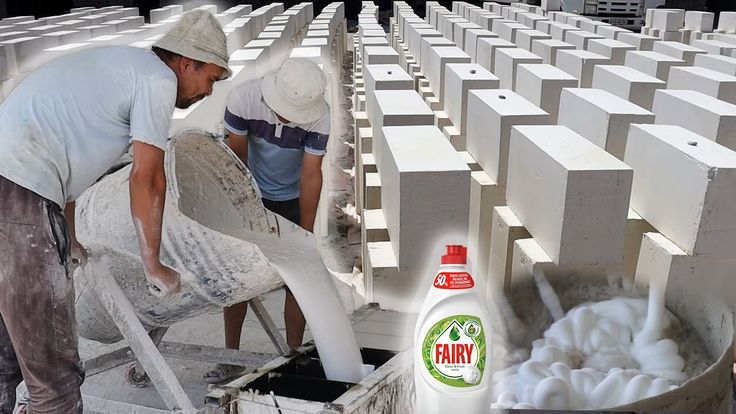
Steps for Filling Concrete Blocks with Expanding Foam
Following these steps will help ensure a successful foam filling process, maximizing the benefits while minimizing potential issues:
Preparation
Before starting, ensure all required materials are on hand and safety gear is worn. Block cavities should be clean and dry, with no obstructions that could hinder foam expansion. Construct the inner wall structure or prepare the cavity for filling.
Foam Application
With aerosol cans, follow the manufacturer's instructions for application. For two-component systems, mix the components according to specified ratios using a foam applicator gun or caulking gun. Follow the recommended application rate, typically around one or two cans per standard concrete block.
Insert the foam applicator into the block cavity and dispense the foam, starting from the bottom and working your way up. Allow the foam to expand and fill the cavity completely. Secure blocks together with tape or clips if needed.
Quality Check and Cleanup
Once the foam has fully expanded and cured, inspect the filled blocks for any air pockets or gaps. If necessary, reapply foam to ensure the cavity is entirely filled. Clean any excess foam from block surfaces using a suitable solvent or remover, following the manufacturer's guidelines.
Fully cured foam-filled concrete blocks are now ready for installation or further construction processes.
Considerations and Potential Drawbacks
While foam filling concrete blocks offers numerous benefits, it's essential to be aware of potential drawbacks and considerations:
Foam Limitations
Expanding foam has a lower density than concrete, which may impact the overall weight of the filled blocks. Carefully consider the load-bearing capacity of foam-filled blocks when planning structures or renovations.
Additionally, foam can be vulnerable to damage from rodents, insects, and other pests. Incorporating appropriate pest deterrents or barriers may be necessary to protect the foam and maintain its insulative properties.
Fire Safety Concerns
You must comply with local fire safety regulations regarding foam-fill density and specific fire retardant foam requirements. Consult relevant building codes and consult with local authorities to ensure compliance.
Foam filling concrete blocks is a valuable technique that offers numerous advantages in construction projects. By familiarizing yourself with the process, materials, and considerations, you can effectively harness the power of foam to enhance insulation, soundproofing, and structural strength in your next build or renovation.
Embracing innovative methods like foam filling is key to creating more efficient, comfortable, and sustainable structures. As the construction industry continues to evolve, exploring such techniques will contribute to improved living and working environments for all.
Related Articles

Foam-Filled Concrete Blocks: A Game-Changer in Construction
In the realm of construction and architectural design, concrete blocks have long been a mainstay due to their durability, versatility, and cost-effectiveness...

Precast Concrete Stair Treads: Easy, Durable, & Safe
Implementing durable and safe stairs in your residential or commercial space is a critical aspect of construction. One of the most practical and efficient...

Boost Your Business with Ratings & Reviews
In today's interconnected world, ratings and reviews have transformed into powerful decision-making tools, profound enough to shape consumer behavior and...

Expand Foam Packaging: Innovative Solution for Product Safety
In the realm of protective packaging, one standout solution has gained significant traction due to its exceptional cushioning and shock-absorbing properties...

Master Tarot: Boost Your Reading Skills with Engaging Practise Exercises
Unlocking the mysteries of tarot cards often involves dedicated practice and understanding of various exercises. Regularly engaging in these activities can...

"Tray Ceiling Truss: Adding Elegance with Structural Strength"
Ever gazed up at a vaulted ceiling and marveled at its architectural grandeur? Chances are, you've been admiring the work of tray ceiling trusses. These...