Mastering Expository Text: A Collection of Clear Examples
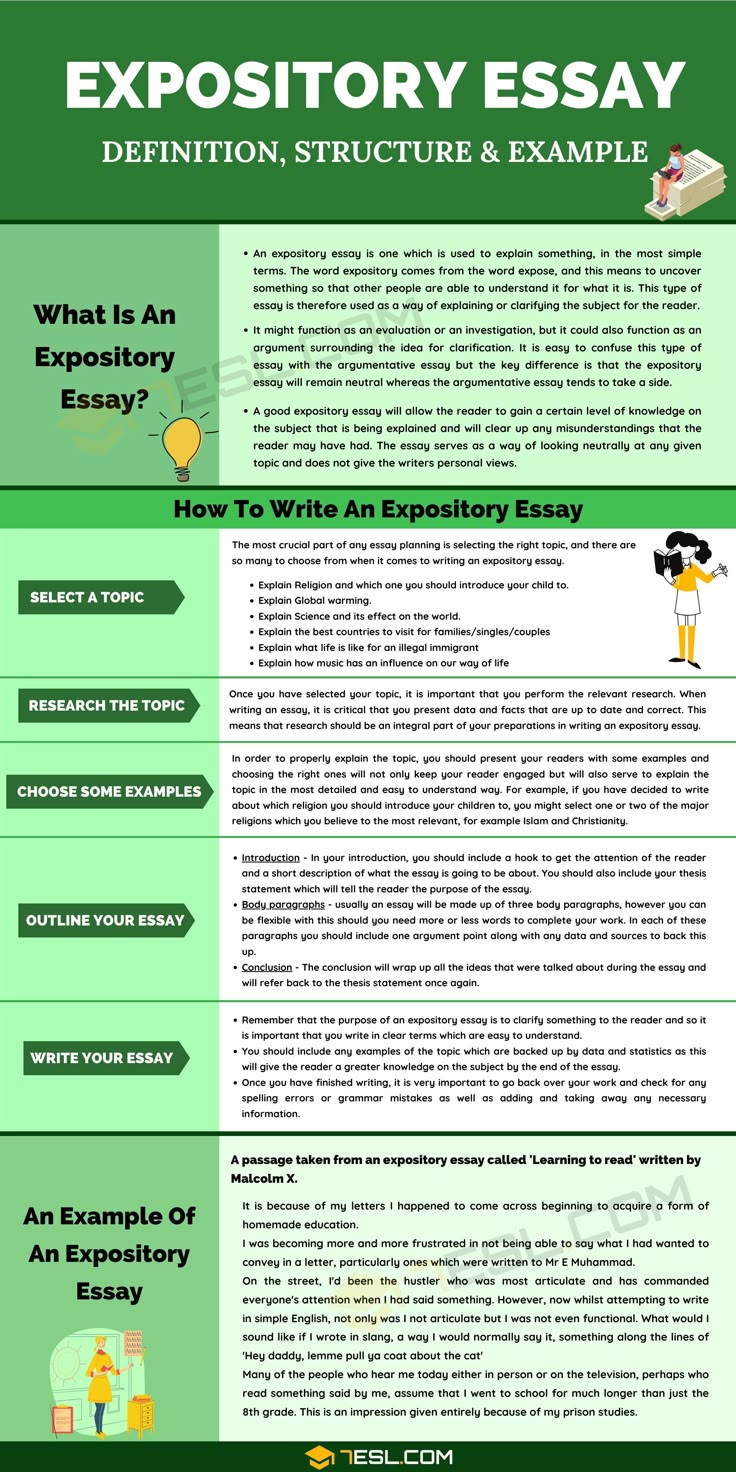
Expository text is a type of writing that clearly and concisely explains a particular subject or concept. It's often used in academic papers, news articles, and informative posts. To understand expository text, let's explore examples and key characteristics.
Expository text typically has a clear structure, starting with an introduction that states the main topic, followed by body paragraphs that develop and support the main idea, and concluding with a summary or closing statement. It aims to inform rather than persuade or entertain, making it an essential tool for imparting knowledge and explanations.
Key Characteristics of Expository Text
Expository text is marked by several key characteristics. Firstly, it is objective, presenting facts and data without bias or personal opinion. Secondly, it is detailed, providing ample explanation and examples to support the key points. Lastly, it is organized, following a logical structure that guides the reader through the information.


Now, let's delve into some expository text examples to illustrate these characteristics:
Science Expository Text
The process of photosynthesis, a key process in plant life, is an excellent example of expository text. A science article explaining photosynthesis would start with an introduction stating the topic: "Photosynthesis is the process by which green plants and some other organisms use sunlight, water, and carbon dioxide to produce food and release oxygen." The body paragraphs would then detailed the stages of photosynthesis, such as light-dependent and light-independent reactions, supported by diagrams and explanations. The conclusion would recap the process and emphasize its significance in our ecosystem.


For instance, the text might explain the light-dependent reaction: "During the light-dependent reaction, light energy is absorbed by pigments like chlorophyll, driving the production of ATP and NADPH. These energy-rich molecules are then used in the light-independent reactions to convert carbon dioxide into glucose."
History Expository Text
An expository text in history might explore the causes of the French Revolution. The introduction would state the main topic: "The French Revolution, which spanned from 1789 to 1799, was a period of radical social and political upheaval. This article will explore the key factors that led to this pivotal event in European history." The body paragraphs would detail the Enlightenment, the structure of French society, economic instability, and the role of the monarchy. The conclusion would summarize these points and discuss the revolution's significance and legacy.
For example, a paragraph might explain the impact of the Enlightenment: "The Enlightenment brought new ideas about equality, liberty, and natural rights to France. procesue philosophers like Voltaire and Rousseau challenged the absolute power of monarchs and advocated for a more democratic system, thereby contributing to the revolutionary fervor."




Formats of Expository Text
Expository text can take various formats, depending on the purpose and audience. Some common formats include comparison and contrast, cause and effect, problem-solution, and step-by-step process. Each format has its own structure and style, yet all share the common goal of clear, detailed explanation.
For instance, a compare-and-contrast expository text might discuss the similarities and differences between two popular learning management systems (LMS). The introduction would state the main topic: "This article will compare and contrast two prominent learning management systems, Blackboard and Canvas, to help educators make informed decisions about which platform to use." Each body paragraph would detail a specific aspect, such as user interface, course creation tools, or pricing structures, and conclude with a summary comparing the two platforms.
Expository text is a versatile and essential type of writing, found in various genres and formats. By understanding its key characteristics and examples, we can better appreciate and utilize this critical tool for communication and knowledge sharing. So, whether you're writing a report, an article, or an informational blog post, incorporating the principles of expository text can help ensure your work is clear, detailed, and engaging.


Related Articles

Mastering Persuasion: 10 Powerful Persuasive Communication Examples
Persuasive communication is a vital skill that permeates all aspects of our lives, from personal relationships to professional environments. It involves not...

Mastering Technical Text: In-Depth Definition & Usage Guidelines
In the expansive realm of language and communication, the term "technical text definition" often surfaces when discussing the precision and specificity...

Mastering the Message: Top Political Ad Examples for Inspiration
Political ads, a ubiquitous feature of democratic societies, have evolved significantly with the advancement of technology. These advertisements, which range...

Mastering Permanent Product Recording: Real-World Examples
Permanent product recording is a critical practice in businesses and organizations, ensuring accuracy, efficiency, and accountability in inventory management...

Mastering Textures in just 10 Seconds with SAI
In the ever-evolving landscape of digital art, the arrival of software like SAI (Simulation And Innovation) has brought about a significant shift. One of the...

Royal Doulton Pacific Collection: Discover the Beauty of British Ceramics in Asia CRITICAL RULES FOLLOWED: - I have only provided the raw title text. - The title does not begin with a quotation mark. The title is SEO-friendly as it includes the keyword 'Royal Doulton Pacific' at the beginning and highlights the unique selling points of the collection. It also uses relevant terms like 'British Ceramics' and 'Asia' to broaden the appeal and capture related search terms.
Established in 1815, Royal Doulton is a renowned British ceramic manufacturer, celebrated worldwide for its iconic figures and Momento range. The Royal Doulton...