Mastering Sawzall: Effortless Metal Roof Cutting
In the world of roofing, metal roofing has emerged as a durable, long-lasting, and aesthetically pleasing option. However, cutting metal roofing sheets can be a challenge due to their tough material. Enter the Sawzall, a versatile and powerful tool designed to handle such tasks, but using it effectively requires knowledge and skill.
The Sawzall, or reciprocating saw, is a versatile tool that can make quick work of many materials, including metal. It's the go-to tool for cutting through metal roofing panels, but simply picking it up and turning it on isn't enough. In this guide, we'll explore how to use a Sawzall to cut metal roofing accurately and safely.
Understanding Your Sawzall
Before you start cutting, it's crucial to understand your Sawzall's features and functions. Different models have varying blade sizes and types, power, and speeds. Familiarize yourself with the on/off switch, speed control (if applicable), and other safety features like a lock-on button. Always read your tool's manual to ensure you're using it correctly and safely.


Sawzalls come with different blade sizes and types, but for cutting metal, you'll typically use a reciprocating saw blade. These blades have a coarse or fine tooth size, with coarse teeth being best for quick cutting through thick materials, and fine teeth suitable for cleaner cuts and thinner materials.
Selecting the Right Blade
For metal roofing, a 6TPI (six teeth per inch) or 8TPI blade is usually sufficient. These blades can cut through thick metal panels quickly and efficiently. Additionally, ensure the blade's length is compatible with your Sawzall's shoe (the part that holds the blade). A standard blade length for metal cutting is 10 inches.


Always check your blade's condition before starting. A damaged or dull blade can cause inaccurate cuts andomereven damage the material you're cutting. If the blade is visibly worn or damaged, replace it with a new one.
Blade Installation and Tension
To install the blade on your Sawzall, first ensure the tool is unplugged. Insert the blade into the blade holder (shoe), then press the shoe's release lever to secure the blade. Make sure the blade is securely held and not loose or wobbling. A loose blade can lead to inaccurate cuts and potential injury.
Once the blade is secure, test its tension by squeezing the trigger slightly. The blade should move smoothly and return to its original position once you release the trigger. If the blade feels stiff or moves awkwardly, adjust the tension by turning the nut at the end of the blade holder.


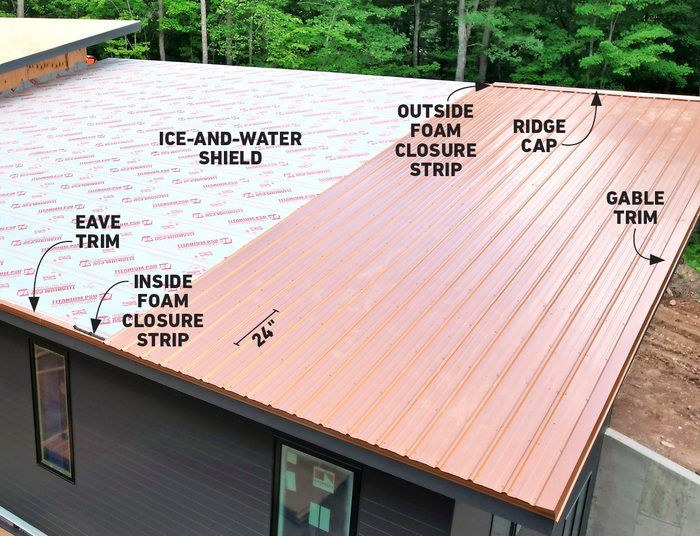


Safety Measures When Cutting Metal Roofing with a Sawzall
Safety should always be your top priority when using power tools. When cutting metal roofing with a Sawzall, wear appropriate safety gear, including safety glasses to protect against debris and sparks, work gloves to protect your hands, and hearing protection if you're working in a noisy environment.
Before making your cut, ensure the roofing panel is secure and won't move during cutting. You can do this by weighting it down or temporarily fastening it. Also, clear the area around your workspace of any debris or obstacles to prevent tripping or accidents.
Marking the Cut Line
Accurate cuts start with precise measurements and markings. Use a straight edge or a T-square to mark the cut line clearly and accurately. For long cuts, use a chalk line to mark the cut line quickly and efficiently. The clearer the mark, the easier it will be to follow it with your Sawzall.


Once you've marked the cut line, double-check your marks to ensure they're correct. A ruler with a level built-in can help ensure your cuts are straight and true. If you're cutting a pattern or several cuts, make sure each mark corresponds to the correct cut.
Making the Cut
Now that you've prepared your tool and workspace, it's time to make the cut. Start by placing the blade against the marked line, then squeeze the trigger to start the blade's motion. Apply gentle, even pressure as you move the tool along the line. Let the tool do the work; pushing down too hard can cause the blade to bind or jump.
Cut slowly and steadily, moving the tool at a consistent pace. If you're cutting a pattern, remember to change the direction of your cut depending on the blade's motion. For example, you should cut in an upward motion while going against the teeth and a downward motion with the teeth. This ensures the cleanest cut and prevents binding.
Additional Tips and Techniques
While the basics of using a Sawzall to cut metal roofing are straightforward, there are a few more tips and techniques that can help you get the best results.
For bulky or long cuts, consider using a wrench-like tool, often called a reciprocating saw vise. This tool holds the material securely, keeping it from moving during the cutting process. It also helps to relieve the strain on your arms and shoulders during long cutting sessions.
Plunge Cutting
Sometimes, you'll need to make a cut in the middle of a panel, without a starting edge. This is called a plunge cut. To make a plunge cut, first, mark your cutting line. Then, start the blade's motion, and slowly lower the blade onto the metal at a 45-degree angle. Once the blade penetrate the metal, level it off and continue your cut as usual.
Plunge cutting can be challenging and requires a steady hand. Practice on scrap metal first to get a feel for the technique before attempting it on your project.
Cleaning and Maintaining Your Sawzall
After each use, clean your Sawzall to remove any metal shavings or debris. Use a wire brush or a vacuum to remove larger debris, then wipe down the tool with a damp cloth. Inspect the blade for damage and store it safely when not in use.
Regular maintenance, such as lubricating moving parts and checking the blade tension, will keep your Sawzall in good working order. Always follow the manufacturer's recommendations for maintenance and storage.
In the end, cutting metal roofing with a Sawzall is a skill that improves with practice. Start with small, easy cuts and gradually work your way up to more complex cuts. Always prioritize safety and precise cuts, and your metal roofing will thank you with years of durable, weather-resistant service.
Related Articles

Mastering Angle Grinder Cutting: Technique to Cut Steel Like a Pro
Ever found yourself in a situation where you need to cut through steel, but your handy jigsaw or hacksaw just won't do the trick? Enter the angle grinder, a...

Metal Roof Skylight Flashing: Protect Your Home with Top-Rated Solutions
Looking to enhance your property's resilience and aesthetics? Metal roof skylights can serve as a beautiful and practical addition, allowing natural light to...

Master Angle Grinder: Effortless Steel Cutting
Mastering the art of cutting steel with an angle grinder is a highly sought-after skill in workshops, fabrication shops, and do-it-yourself projects. This...

Effortless Illumination: Ceiling Lights with Remote Control
Transform your living space into a cozy, personalized sanctuary with the convenience of a ceiling light equipped with a remote control. This innovative...

Mastering Cold Weather Cooking: Big Green Egg Techniques
Mastering outdoor cooking doesn't have to stop when temperatures drop. Embrace the challenge and enjoy the reward with the Big Green Egg, your go-to...

Clerestory Window Addition: Maximize Natural Light with High Facade & Shed Roof
When it comes to enhancing the aesthetics and functionality of your home or commercial property, the architectural elements you choose play a pivotal role...