Cat Peeing on Litter Box Wall
If you're a cat owner, you've likely faced a puzzle at some point: why does your feline friend sometimes pee on the wall of the litter box? This isn't a typical behavior, and it can be quite frustrating. Let's delve into the possible reasons behind this unusual conduct and explore some solutions to tackle this unwanted mess.
First off, it's crucial to understand that cats are innate cleaners. They typically prefer to keep their litter box pristine. However, various factors can lead to a cat exhibiting such abnormal behavior. So, let's explore the underlying causes and ways to address them.
Potential Reasons Behind the Odd Behavior
To understand why your cat might be peeing on the wall of the litter box, we need to consider several possibilities. Remember, cats can't communicate their grievances verbally, so they express their displeasure through their actions.


Understanding the root cause is the first step towards resolving the issue. It could be a matter of insufficient litter, litter that's too deep or too shallow, a dirty box, or even a medical condition. Sometimes, changes in your cat's environment or routine can also trigger such behavior.
Litter Box Issues
years of trials by feline behaviorists and cat owners alike have established that the design and cleanliness of the litter box can significantly impact your cat's behavior. If a cat dislikes the feel or smell of the litter, or if the box is dirty, it may opt to pee elsewhere.


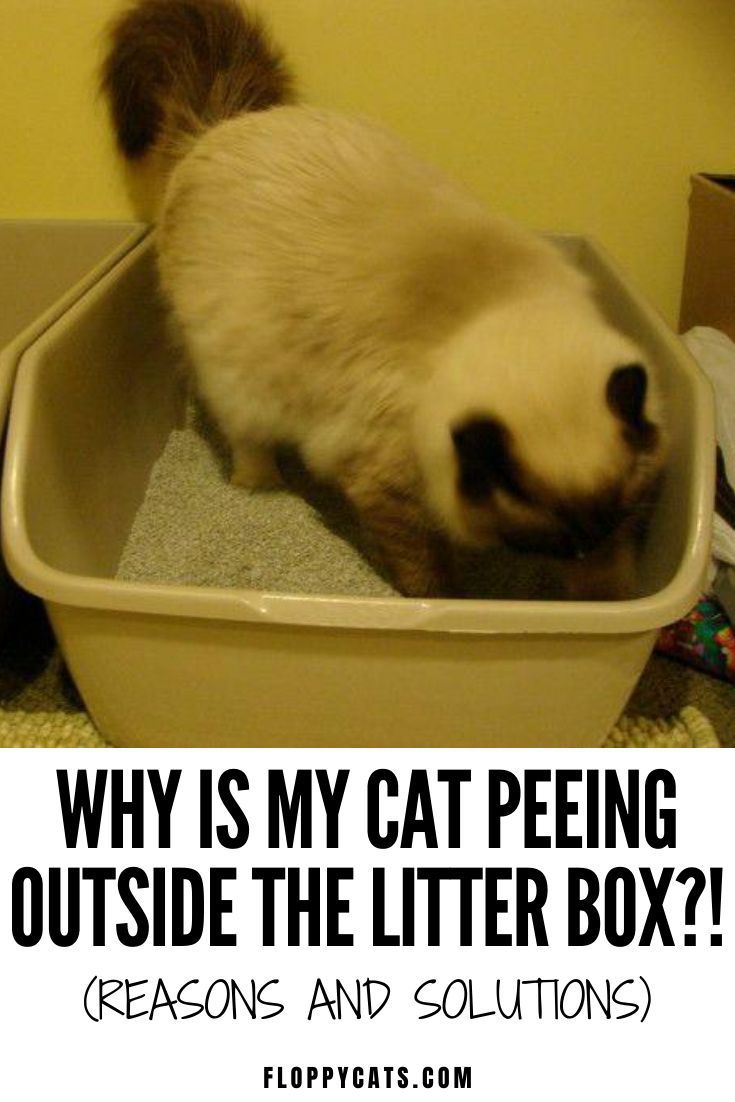
Additionally, ensure the box is spacious enough, especially for larger breeds. A general rule of thumb is to provide one litter box per cat, plus an extra one. This can help reduce territorial disputes and encourage your cat to use the box over alternative surfaces.
Medical Conditions
Feline lower urinary tract diseases (FLUTD) can cause cats to exhibit unusual urination behaviors. In some cases, a cat with FLUTD might start peeing outside the litter box, including on the wall. If left untreated, FLUTD can lead to more serious conditions, such as a urinary blockage, which is a medical emergency.
Other medical issues, like a urinary tract infection (UTI) or kidney disease, can also affect a cat's urination habits. If you notice a sudden change in your cat's litter box habits, or if you suspect a medical condition, consult your veterinarian for a proper diagnosis and appropriate treatment.


Steps to Address the Problem
Once you've identified the root cause of your cat's unusual urination habits, it's time to take action. The approach will depend on the underlying issue, but here are some general steps you can take:
If the problem is related to the litter box, try changing the type of litter, increasing the number of boxes, or adjusting the box's size and location. If the issue is medical, follow your vet's advice for treatment and managing the condition.
Re-training Your Cat
If you've ruled out medical issues and litter box problems, it might be a matter of re-training your cat. Cats are creatures of habit, but they can be reeducated with patience and persistence. Here's how:


Each time you catch your cat about to pee outside the litter box, firmly say "no" or make a loud noise to startle it. Then, quickly but gently guide your cat back to the litter box and praise it when it uses it correctly. This process might take some time, so remain patient and consistent.
Regular Vet Check-ups
Preventative care is crucial for maintaining your cat's health. Regular vet visits can help detect and treat potential health issues early, preventing them from escalating into more serious problems that could affect your cat's behavior.
Moreover, regular check-ups allow you to discuss any behavioral changes with your vet. They can provide personalized advice and recommendations tailored to your cat's needs.
In summary, resolving a cat's unusual urination habits, such as peeing on the wall of the litter box, involves diligent observation, problem-solving, and patience. By understanding the possible causes and taking appropriate action, you can help your feline friend get back to its normal, litter box-loving self. Don't forget, the key to a happy, healthy cat is a combination of proper care, regular vet visits, and a loving, patient approach to training and re-training.
Related Articles
Male Cats & Litter Box Overflow: Tips to Stop the Dribbles
Owners of male cats may often face an intriguing and somewhat perplexing behavior: their feline friend peeing over the edge of the litter box. This can leave...
Tips to Stop Your Cat Peeing Over Litter Box
Living with a cat is an enriching experience, but it comes with its challenges. One such common issue cat owners face is the puzzling and unhygienic habit of...

Best Wall Hung Toilets: Top Picks for Space & Style
In the quest for efficient and space-saving bathroom solutions, wall hung toilets have emerged as a top choice for modern homes and commercial spaces. These...

Craftsman Wall Sconce: Vintage Style Lighting Solution
Elevate your space with the timeless charm of a craftsman wall sconce . A perfect blend of beauty and functionality, wall sconces are not just lighting...

Vertical Gardening: Best Plants for Your Wall
Green walls and vertical gardens are transforming the way we think about urban spaces, providing not just aesthetic appeal but also tangible benefits like...

Expert Guide to Exterior Wall Plastering
Exterior wall plaster, an essential component of modern architecture, plays a pivotal role in enhancing the aesthetic appeal and structural integrity of...